
When it comes to upgrading or replacing your water heater, the choice between gas and electric models isn’t just about price—it’s about performance, efficiency, and long-term value. Whether you're building a new home or your current unit is nearing the end of its life, understanding the differences between these two types of heaters can help you make a smarter, more cost-effective decision.
In this guide, we’ll break down the key factors homeowners should consider when choosing between gas and electric water heaters, including installation requirements, operating costs, energy efficiency, and environmental impact. By the end, you’ll have a clear sense of which option best fits your household’s needs and budget.
⚙️ How Gas and Electric Water Heaters Work
Before diving into comparisons, it’s helpful to understand how each system operates:
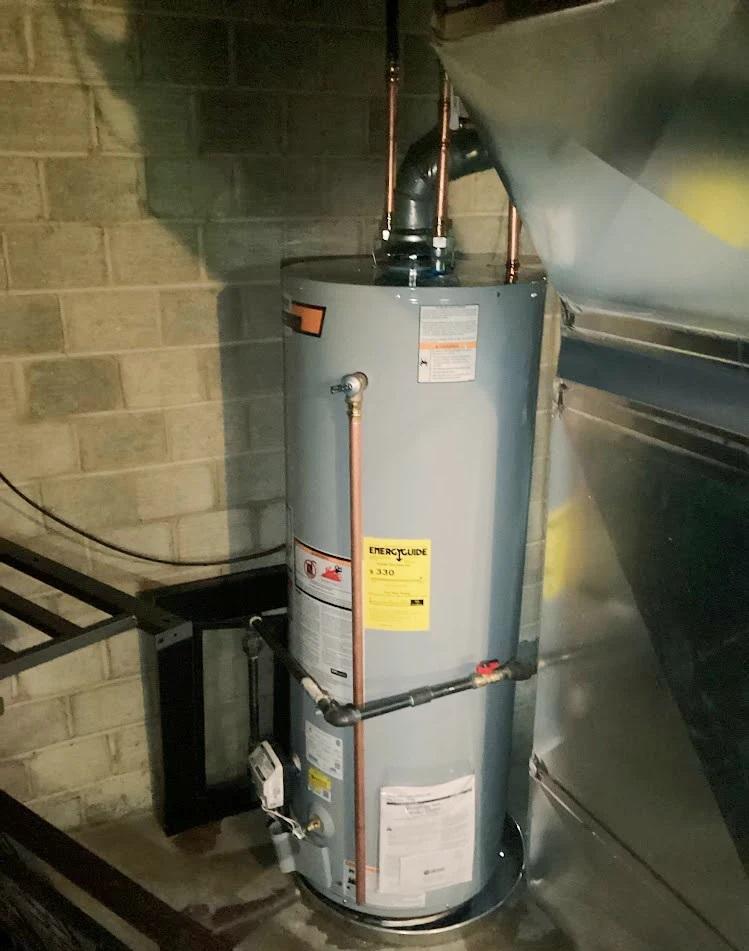
- Gas Water Heaters use natural gas or propane to heat water via a burner located at the bottom of the tank. Combustion gases are vented out through a flue or chimney.
- Electric Water Heaters rely on electric heating elements inside the tank to warm the water. They don’t require venting and are typically easier to install in tight spaces.
Both types are available in tank and tankless models, but for this guide, we’ll focus on traditional tank-style units, which are still the most common in residential settings.
💰 Upfront Cost vs. Long-Term Operating Expenses
One of the first things homeowners notice is the price difference. Electric water heaters tend to be cheaper upfront, with units starting around $300–$500, while gas models often range from $500–$1,000 depending on size and features. However, the story doesn’t end there.
Gas heaters typically cost less to operate over time, especially in regions where natural gas is cheaper than electricity. According to the U.S. Department of Energy, gas water heaters can save homeowners $100–$200 annually in energy costs compared to electric models. That said, installation costs for gas units can be higher due to venting requirements and gas line hookups.
Keyword placement: If you're looking for a long-term solution that balances upfront investment with monthly savings, choosing the right water heater is all about understanding your local energy rates and usage patterns.
🏠 Installation Requirements and Space Considerations
Installation complexity is another major factor. Electric water heaters are generally easier to install because they don’t require venting or gas lines. This makes them ideal for condos, apartments, or homes without existing gas infrastructure. However, the only major disadvantage is that they don't work during power outages, a problem that gas heaters don't have.
Gas water heaters, on the other hand, require proper ventilation to safely expel combustion gases. They also need a gas line to go through your home to where you intend to place it. This can limit placement options and increase installation costs, especially in older homes or tight spaces. On the other hand, they do work during power outages, and with them, you virtually never run out of heated water, as the warming process is faster.
⚡ Energy Efficiency and Recovery Time
Gas heaters typically heat water faster than electric models, making them ideal for larger households with high hot water demand. The recovery rate, that is, how quickly the unit can reheat water after use, is significantly higher in gas models.
However, electric water heaters have made strides in energy efficiency, especially with newer models featuring high Energy Factor (EF) ratings and smart thermostats. Some electric units even qualify for ENERGY STAR® rebates, depending on your location.
If your household uses hot water sporadically or you’re looking to reduce standby energy loss, electric models may offer better efficiency in the long run.
🌍 Environmental Impact and Energy Source Availability
From a sustainability perspective, electric water heaters have the edge—if your electricity comes from renewable sources. In areas powered by solar, wind, or hydroelectric energy, electric models produce significantly fewer greenhouse gas emissions than gas units.
Conversely, gas water heaters rely on fossil fuels, which contribute to carbon emissions. However, in regions where electricity is generated from coal or natural gas, the environmental advantage of electric models may be negligible.
Tip: Check your local utility’s energy mix before making a decision. If you’re planning to install solar panels or already have them, an electric water heater can be a smart complement to your green energy setup.
🔒 Safety and Maintenance Considerations
Safety is another important factor. Electric water heaters pose fewer risks in terms of combustion or gas leaks, making them a safer choice for homes with children or elderly residents.
Gas water heaters require regular maintenance to ensure proper venting and prevent carbon monoxide buildup. They also need periodic inspections of the burner and pilot light.
🧮 Final Decision: What’s Best for Your Home?
Here’s a quick decision matrix to help you choose:
- Choose Gas if:
- You already have a gas line and proper ventilation
- You want faster recovery and lower monthly energy costs
- Your region has low natural gas prices
- Choose Electric if:
- You want a lower upfront cost and easier installation
- You live in an apartment or space-constrained home
- Your electricity comes from renewable sources
Ultimately, the best water heater for your home depends on your energy infrastructure, household size, and long-term priorities. If you're still unsure, consider consulting a licensed plumber or HVAC technician to assess your setup and recommend the most efficient option.