

Introduction to HDPE Wax
High-Density Polyethylene (HDPE) Wax is a versatile, semi-crystalline polymer-based wax derived from the polymerization of ethylene or as a by-product of HDPE plastic production. It is known for its high melting point, low volatility, and excellent chemical resistance, making it an essential additive in plastics, inks, coatings, adhesives, and more.
Unlike low-density polyethylene waxes, HDPE wax is harder, more durable, and suitable for applications requiring thermal stability and mechanical strength. It enhances processing, improves surface properties, and acts as a slip agent or dispersant in various formulations.
Market Overview
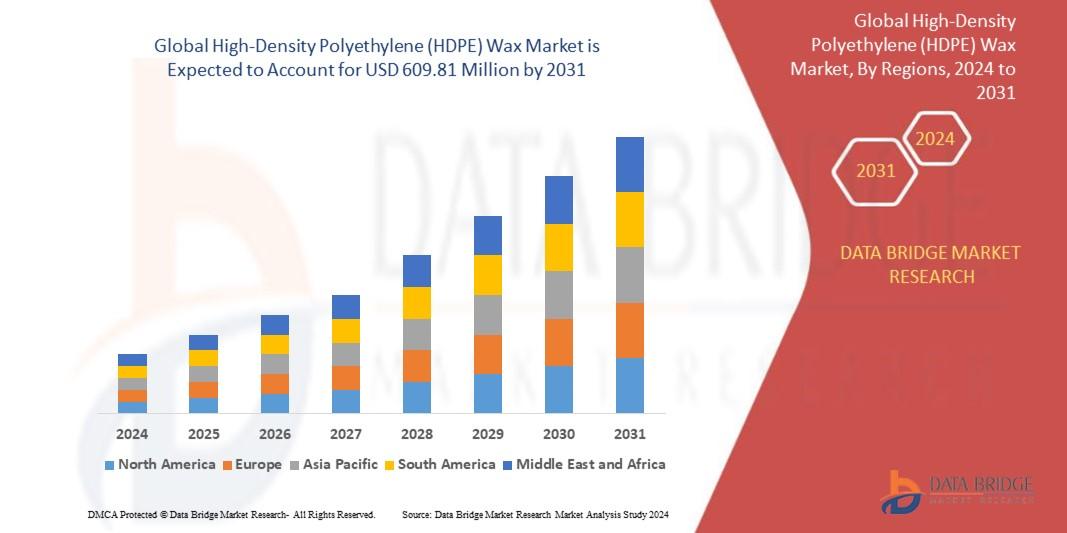
The global HDPE wax market is valued at USD 750 million in 2024, and is projected to reach USD 1.15 billion by 2030, expanding at a CAGR of 7.3%. Demand is strongest in polymer processing, PVC formulation, and packaging applications, with the Asia-Pacific region leading both production and consumption.
As industries shift toward cost-efficient, high-performance, and sustainable additives, HDPE wax continues to gain ground across sectors ranging from automotive and electronics to textiles and rubber.
Key Market Drivers
1. Plastics and Polymer Processing Boom
HDPE wax acts as a lubricant and processing aid in the extrusion and molding of plastics like PVC, polyethylene, and polystyrene. As plastic consumption rises globally, so does the demand for additives that improve throughput, surface finish, and durability.
2. Expansion in Coatings and Inks
Used to impart scratch resistance, gloss control, and anti-blocking properties, HDPE wax is increasingly incorporated into paints, varnishes, and printing inks, especially in packaging and publishing.
3. Adhesives and Rubber Industry Growth
In rubber processing, HDPE wax improves release properties and compound dispersion. It's also a key component in hot-melt adhesives for packaging and labeling applications.
4. Economic and Environmental Benefits
Compared to traditional paraffin or natural waxes, HDPE wax offers better performance at competitive costs. Furthermore, recycled HDPE wax options are gaining traction for sustainability-conscious buyers.
Market Restraints and Challenges
- Raw Material Price Volatility: HDPE wax is derived from ethylene, a petrochemical whose pricing is influenced by global oil markets.
- Competition from Alternatives: Synthetic and natural waxes (like Fischer-Tropsch, carnauba, and paraffin) can replace HDPE wax in some formulations.
- Regulatory Pressure: Environmental regulations in Europe and North America are tightening around volatile organic compounds (VOCs) and synthetic additives.
- Recycling Complexity: Although recyclable, HDPE wax recovery requires infrastructure and standards that are not universally available.
Market Segmentation
By Type:
- Micronized HDPE Wax: Ultra-fine particles used in high-performance coatings.
- Oxidized HDPE Wax: Enhanced polarity for compatibility in aqueous systems and emulsions.
- Non-Oxidized HDPE Wax: Used in oil-based systems and PVC processing.
By Form:
- Granules
- Powder
- Flakes
By Application:
- Plastics and Masterbatches
- Printing Inks
- Coatings and Paints
- Rubber Processing
- Textiles and Fibers
- Hot-Melt Adhesives
By End-Use Industry:
- Construction and Building
- Automotive
- Packaging
- Electronics
- Chemical Manufacturing
Production Technologies
HDPE wax is produced through:
- Direct Polymerization: Controlled polymerization of ethylene to create wax-grade HDPE.
- Thermal Cracking: Breaking down HDPE polymers into wax-like by-products.
- Recycling: Recovering HDPE wax from plastic waste for sustainability.
- Blending and Functionalization: Adding oxidizing agents or modifying chain lengths for application-specific properties.
Regional Market Insights
Asia-Pacific
China, India, and South Korea are dominant in HDPE wax production, thanks to established petrochemical infrastructure and booming demand in PVC, textiles, and electronics.
North America
Focuses on coatings, packaging, and automotive components, with high adoption of oxidized and micronized HDPE wax.
Europe
Stringent environmental norms encourage the use of low-VOC, recyclable HDPE wax blends, especially in construction and furniture coatings.
Latin America & MEA
Emerging adoption in construction, packaging, and agriculture, with increasing demand for cost-effective additives.
Key Players and Competitive Landscape
- Honeywell International Inc. – Global leader in high-performance oxidized HDPE waxes.
- Mitsui Chemicals – Offers tailored wax solutions for niche markets.
- BASF SE – Strong in coatings and dispersion applications.
- Westlake Corporation – U.S.-based producer with a focus on PVC processing aids.
- SCG Chemicals – Major Asian player with integrated HDPE capacity.
Local and mid-sized players compete through price and application-specific customization.
Use Cases Across Industries
- PVC Processing: Acts as an external lubricant, improving flow and mold release.
- Printing Inks: Adds abrasion resistance, matte/gloss control, and rheology modification.
- Hot-Melt Adhesives: Ensures consistent flow, tack, and thermal stability.
- Rubber and Tire Manufacturing: Aids in mold release and anti-blocking.
- Textile Finishing: Adds soft feel and abrasion resistance.
Sustainability and Recycling Trends
- Recycled HDPE Wax: Extracted from plastic waste, reduces dependency on virgin petrochemicals.
- Green Chemistry: HDPE wax with reduced VOC emissions and enhanced biodegradability is in development.
- Regulatory Pressure: EU REACH and U.S. EPA guidelines push for non-toxic, low-impact formulations.
- Circular Economy Models: Encouraging wax producers to reuse, reprocess, and repurpose waste streams.
Future Market Opportunities
- 3D Printing and Composite Materials: HDPE wax as a support and filler agent.
- Biodegradable Blends: Used in conjunction with PLA and starch-based bioplastics.
- Southeast Asia and Africa: Infrastructure growth spurring demand for construction-grade PVC and coatings.
- Smart Packaging: Anti-fog, scratch-resistant films using HDPE wax enhancements.
SWOT Analysis
Strengths:
- High performance in diverse applications
- Thermal stability and chemical resistance
- Scalable and cost-effective
Weaknesses:
- Petrochemical dependency
- Not biodegradable unless modified
Opportunities:
- Recycled HDPE wax market growth
- Advanced coatings and smart material applications
- Biodegradable and hybrid formulations
Threats:
- Regulatory pressure on synthetics
- Competition from natural waxes and advanced polyolefins
Conclusion
The High-Density Polyethylene (HDPE) Wax market is an essential component of the modern industrial value chain, offering performance-enhancing, cost-effective, and increasingly sustainable solutions. From plastics and coatings to rubber and adhesives, HDPE wax continues to prove its versatility and adaptability in an evolving material science landscape.
With innovations in recycling, green chemistry, and application-specific engineering, the market is poised for steady growth and diversification, driven by the global pursuit of durable yet eco-friendly polymer additives.
Get More Details : https://www.databridgemarketresearch.com/reports/global-hdpe-wax-market
Get More Reports :
https://www.databridgemarketresearch.com/reports/global-talc-chlorite-market
https://www.databridgemarketresearch.com/reports/global-bicycle-frames-market
https://www.databridgemarketresearch.com/reports/global-automotive-perimeter-lighting-systems-market
https://www.databridgemarketresearch.com/reports/global-commercial-air-conditioner-market
https://www.databridgemarketresearch.com/reports/europe-automated-border-control-market