
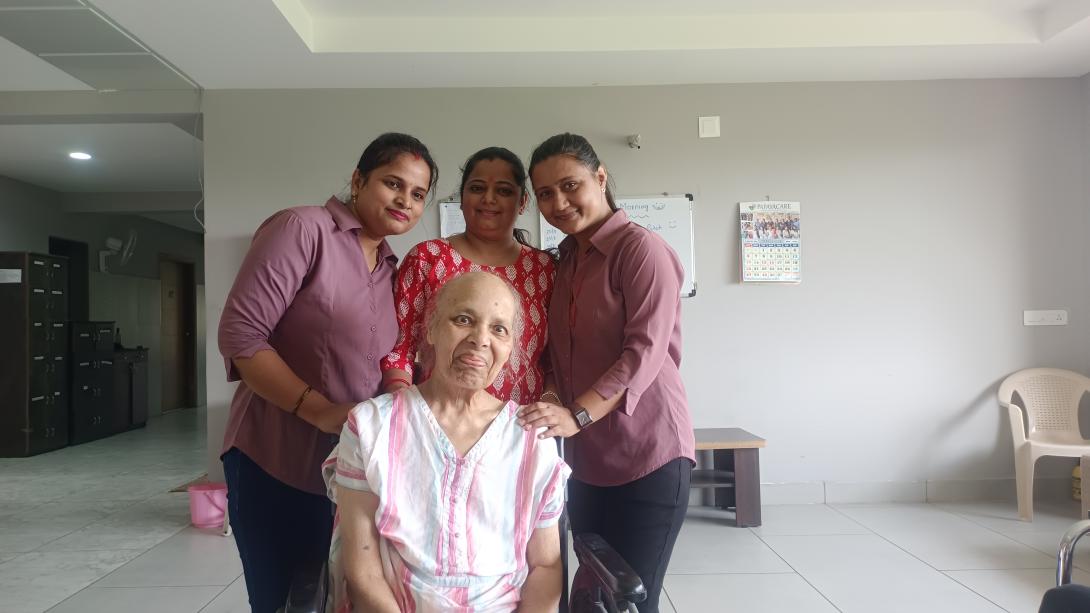
Supporting a loved one with dementia is an emotional rollercoaster ride of highs and lows. When memory loss erodes and communication becomes increasingly difficult, it's easy to feel like your relationship is slipping through your fingers. Yet even as things change, it is more than possible—and deeply rewarding—to stay connected and enjoy the love, laughter, and companionship of the relationship. With mindful strategies for dementia care for seniors, you can continue to build moments of love, laughter, and connection.
Understand Their World
It begins with understanding what your loved one is going through. Dementia impacts memory, language, judgment, and behavior differently in different people, and depending on the type of dementia. What doesn't change, though, is that your loved one is still there, underneath the symptoms, needing to feel safe, loved, and valued.
One of the core objectives in dementia care for older adults is to meet them where they are. Rather than correcting errors or reminding them of what they've forgotten, acknowledge their feelings and enter into their reality. If they think it's 1960 or that a long-dead parent is alive, don't debate—rather, work on the feelings behind the words. Kindness and reassurance are powerful tools in keeping trust and connection intact.
Communicate with Compassion
With verbal communication harder, little modifications in the way you engage will make a substantial difference:
- Be clear and steady in your language. Speak in a slow manner, and adopt short, concise sentences.
- Have eye contact and address them by name. It keeps them oriented and makes them feel noticed.
- Listen patiently. Even if it doesn't necessarily make sense what they are saying, listening tells them that they are loved and respected.
- Use nonverbal communication. Touch, facial expressions, and tone of voice can express warmth and comfort even when words aren't possible.
Good communication is a foundation of dementia care for older adults. It's not so much what you say—how you say it matters. A soft tone, a warm smile, or a hug can say a lot.
Create Joy Through Shared Activities
Dementia can alter what your loved one can do, but it does not eliminate their need for happiness and interaction. There are numerous activities that still bring joy, stimulate the mind, and strengthen your relationship:
- Music: Old songs can stimulate memories and feelings. Singing together, clapping, or just listening to old favorites can be extremely calming.
- Art and creativity: Painting, coloring, or crafting can give a feeling of accomplishment and self-expression.
- Gardening: Simple activities such as watering plants or cutting flowers can be centering and rewarding.
- Viewing photographs: Photo albums trigger discussion and provide an opportunity to reminisce, even when names and dates have escaped memory.
- Walking together: Gentle movement outside can enhance mood and offer sensory stimulation.
Including purposeful and accessible activities is a significant component of dementia care for older adults. Enjoyment and companionship are what is important, not productivity or perfection.
Focus on the Moment
Remaining in the moment is perhaps the strongest way to be present. You might mourn yesterday or worry about tomorrow, but your loved one with dementia so often exists precisely in the moment. This is a special advantage for learning together about mindfulness.
Sit with them. Hold their hand. Watch the birds by the window. Enjoy a favorite snack. You don't always need to talk—sometimes, just sitting with them is sufficient. These quiet, small moments can be deeply significant.
Let Go of Perfection
One of the most difficult aspects of caring for a person with dementia is giving up on the way things were. It's alright to feel loss, frustration, or sadness. But don't measure your relationship by how well your loved one remembers you or responds to you. What is most important is the love you bring to every interaction.
Don't strive for perfect conversations or ideal days. Instead, find the small victories—a smile, a laugh together, a moment of peace. These moments of connection, no matter how small, are the gold and often show the difference quality dementia care for the elderly can make.
Care for Yourself, Too
Caring for a loved one with dementia also means that you must care for your own physical and emotional well-being. Caregiving can be exhausting, and burnout can impair your ability to connect meaningfully.
- Seek help. Become part of a dementia caregiver support group, either in person or online. Sharing what you are going through can be affirming and empowering.
- Take a break. Respite care and adult day programs can give you the rest you need and allow you to get back to caregiving rejuvenated.
- Be kind to yourself. You're doing the best that you can. Some days will be more difficult than others. That's okay.
Dementia care that lasts for older adults starts with healthy caregivers. By taking care of yourself, you create a foundation of strong, consistent love and attention.
Conclusion
Dementia alters everything, but it doesn't delete the person you love or the connection you share. With empathy, imagination, and a willingness to change, you can still find meaningful connection and even joy together. It won't be the same, and that's okay. What is important is being present, giving love, and embracing the moments—no matter how small—that remind you both of your shared humanity.
Whether it's a smile, a hug, or a favorite song softly playing in the background, joy and connection remain. Sometimes they shine brightest in the most ordinary moments—reminding us of the enduring strength of love, presence, and empathetic dementia care for older adults.