

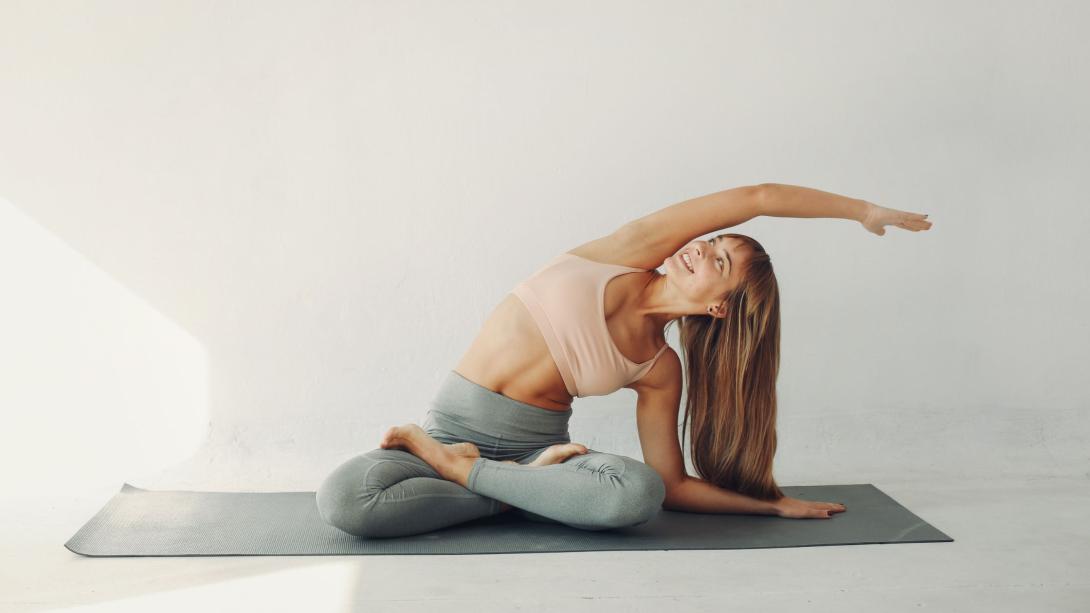
Stress doesn’t just live in your mind it settles into your body, shaping how you breathe, move, and feel. That’s where Somatic Movement Exercises come in. These gentle, mindful practices reconnect your body and mind, helping release tension, regulate emotions, and restore a sense of inner balance. If you’re looking for a natural, sustainable way to manage stress, it’s time to Practice Somatic Movement and experience its transformative impact.
What Are Somatic Movement Exercises?
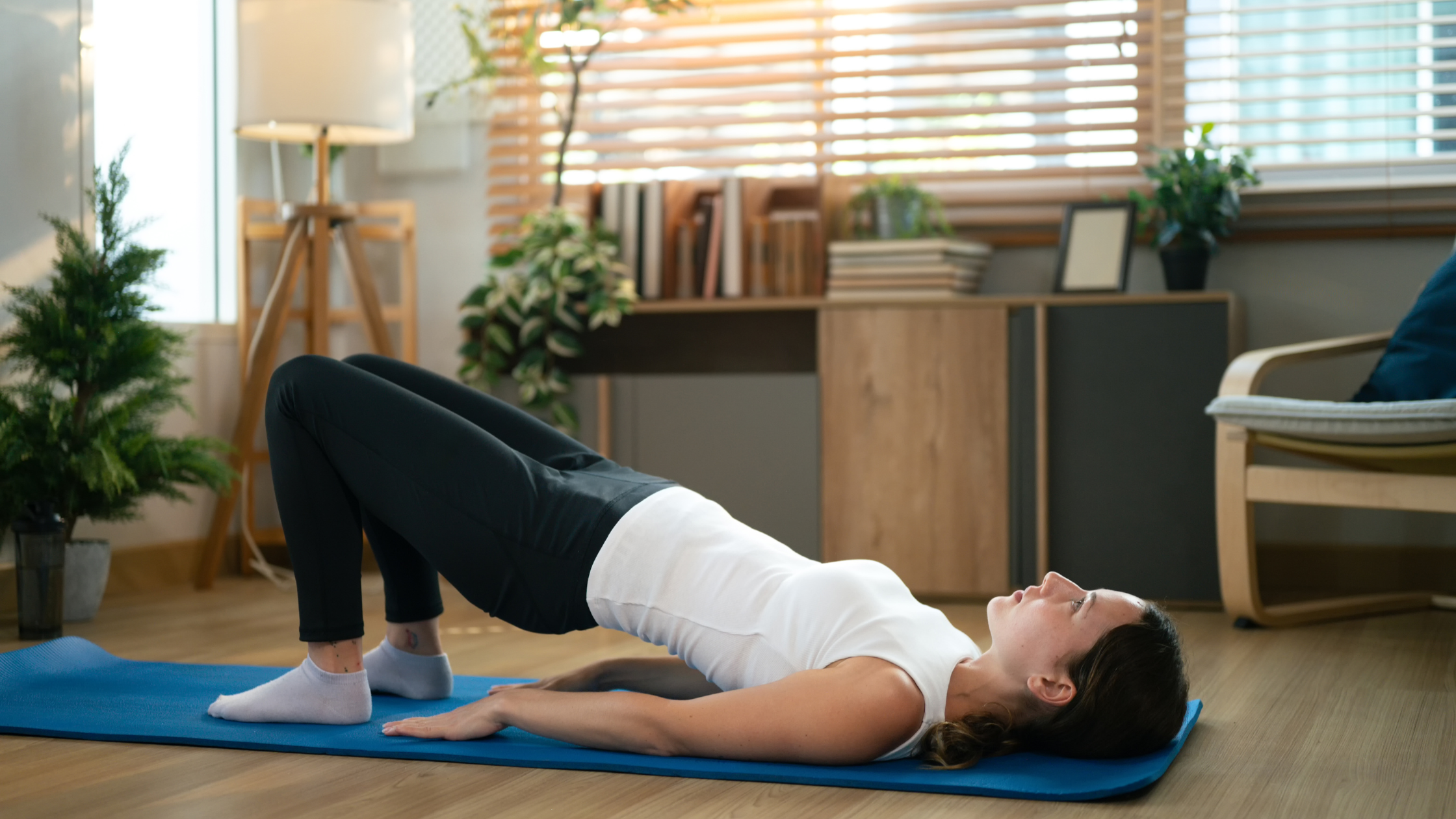
Somatic Movement Exercises are slow, intentional movements that focus on internal awareness rather than external performance. Rooted in body-based therapy and neuroscience, these exercises train your nervous system to release chronic tension patterns and improve movement efficiency.
Unlike traditional workouts, somatic practices are not about intensity or repetition. Instead, they emphasize:
- Awareness of sensations
- Gentle movement patterns
- Breath coordination
- Nervous system regulation
This approach helps rewire habitual stress responses stored in the body.
Why Stress Lives in the Body
When you experience stress, your body activates a fight-or-flight response. Over time, repeated stress can lead to:
- Tight shoulders and neck
- Lower back pain
- Shallow breathing
- Fatigue and burnout
Somatic movement helps reverse these effects by signaling safety to your nervous system. As you Practice Somatic Movement, your body learns to relax, release, and reset.
Benefits of Somatic Movement for Stress Relief
1. Releases Stored Tension
Gentle movements target deep muscle patterns where stress is often held, helping your body let go naturally.
2. Improves Mind-Body Connection
You become more aware of how your body feels, allowing you to respond to stress before it escalates.
3. Enhances Emotional Regulation
Somatic practices calm the nervous system, reducing anxiety and emotional overwhelm.
4. Supports Better Posture and Mobility
By retraining movement patterns, you reduce stiffness and improve alignment.
5. Promotes Deep Relaxation
These exercises activate the parasympathetic nervous system, helping you feel calm and grounded.
How to Practice Somatic Movement Effectively
To get the most out of your practice, follow these principles:
- Go Slow: Move with intention, not speed
- Stay Present: Focus on how your body feels
- Breathe Naturally: Let your breath guide movement
- Avoid Pain: Movements should feel comfortable and safe
- Be Consistent: Even 10–15 minutes daily can make a difference
When you Practice Somatic Movement regularly, your body gradually releases tension patterns and builds resilience against stress.
5 Simple Somatic Movement Exercises for Beginners
1. Body Scan Awareness

Lie down comfortably and bring attention to different parts of your body. Notice sensations without judgment.
Benefit: Increases body awareness and reduces mental stress.
2. Pandiculation (Natural Stretching)
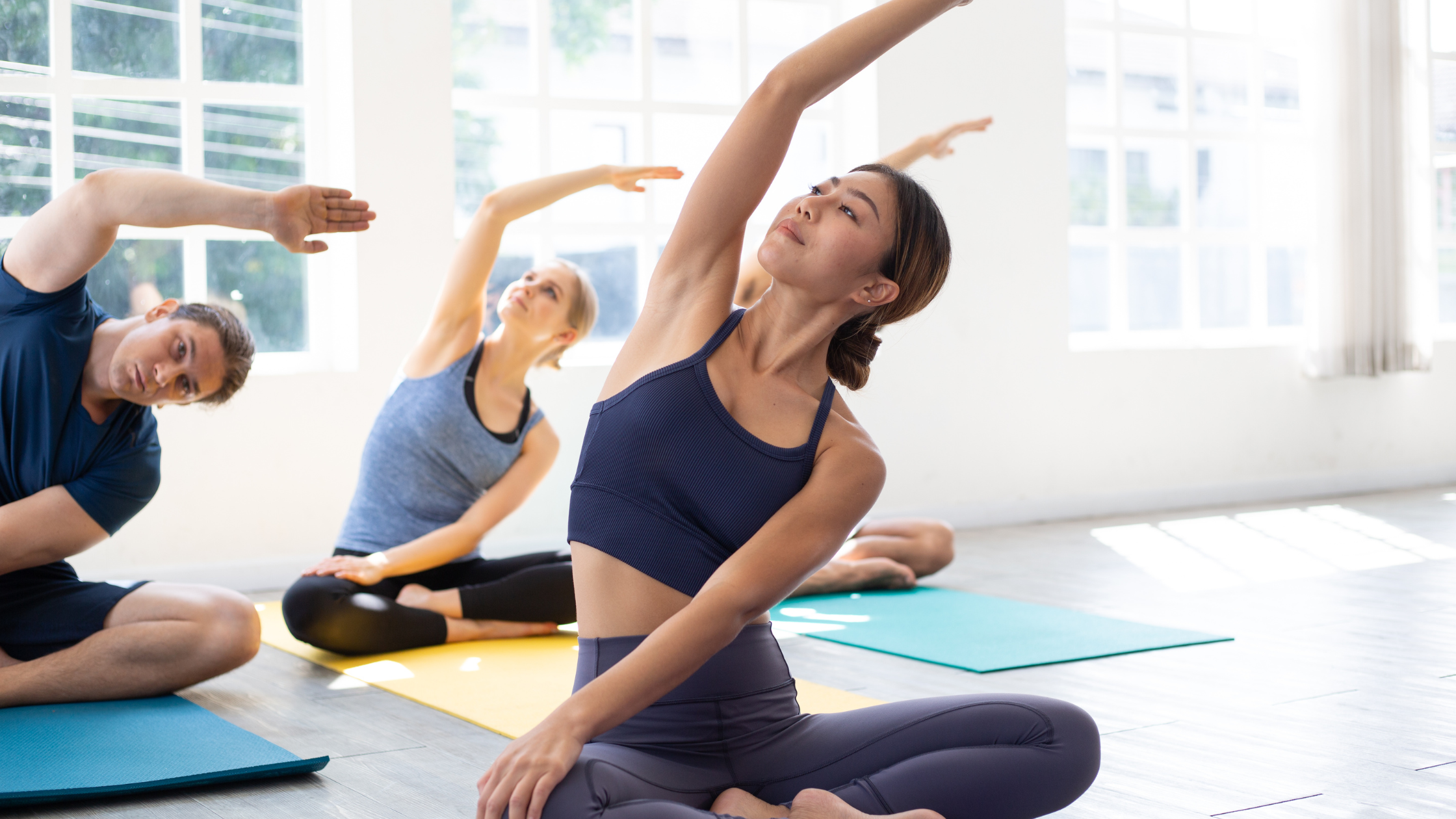
Gently contract a muscle group, then slowly release it while exhaling.
Benefit: Resets muscle tension and improves flexibility.
3. Pelvic Tilt
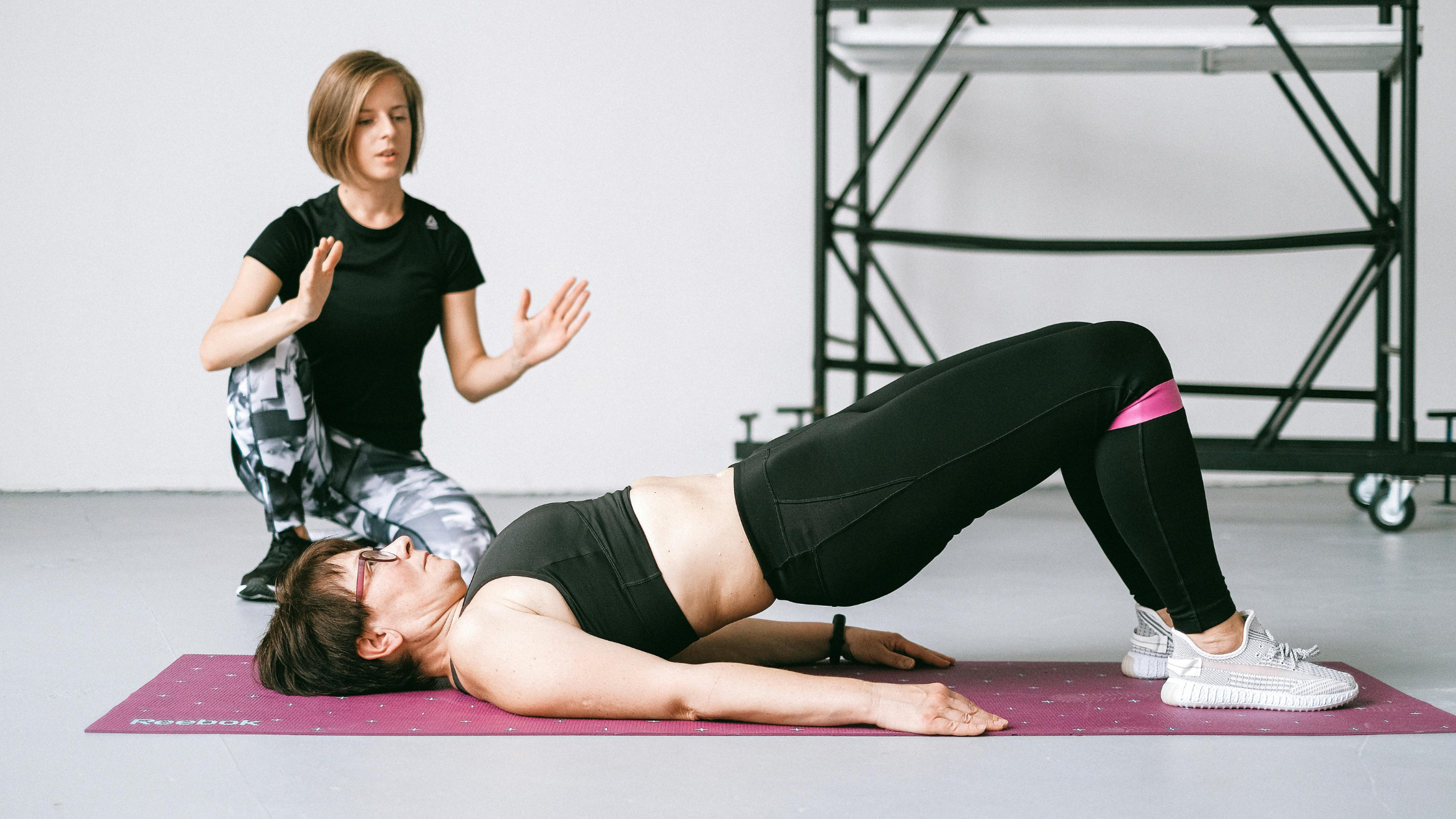
Lie on your back, slowly tilt your pelvis upward and downward with controlled breathing.
Benefit: Relieves lower back tension and improves core awareness.
4. Shoulder Release Movement
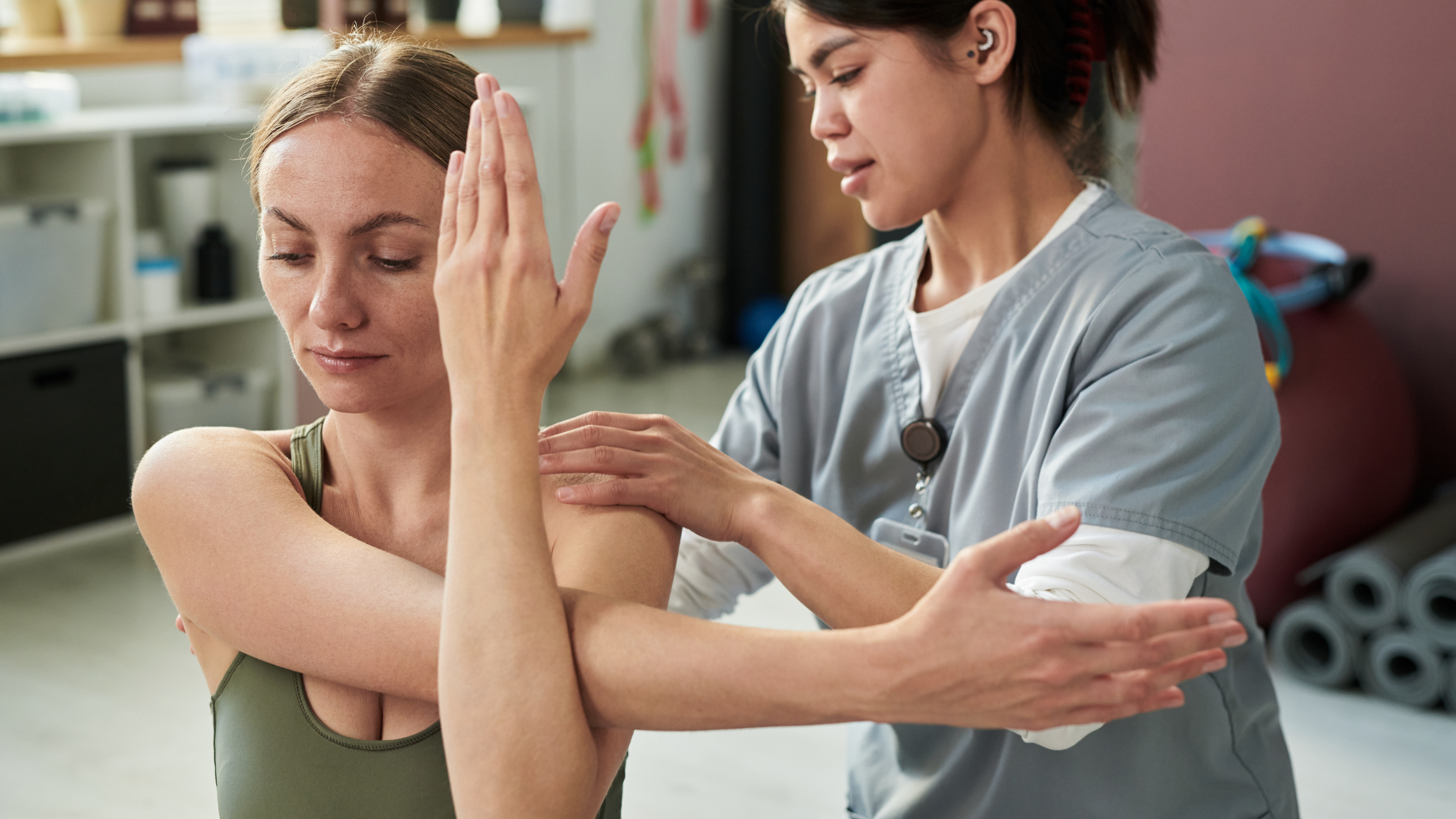
Lift your shoulders toward your ears, hold briefly, then slowly release.
Benefit: Reduces neck and shoulder stiffness.
5. Diaphragmatic Breathing

Place one hand on your chest and one on your belly. Breathe deeply into your belly.
Benefit: Calms the nervous system and reduces anxiety.
Integrating Somatic Movement into Daily Life
You don’t need a full routine to benefit. Small moments of awareness can make a big difference:
- Pause during work to check body tension
- Practice mindful breathing before sleep
- Use gentle stretches after long sitting periods
- Tune into your body during emotional stress
These micro-practices help maintain balance throughout your day.
Somatic Movement vs Traditional Exercise
Somatic Movement Exercises and traditional exercise serve different purposes. While somatic practices focus on internal awareness and stress release, traditional workouts emphasize physical strength and endurance.
Key Difference:
- Somatic = Mind-body connection
- Traditional = Physical performance
If your goal is to reduce stress and improve inner balance, it’s more effective to Practice Somatic Movement as part of your routine.
Who Can Benefit from Somatic Movement?
Somatic Movement Exercises are suitable for:
- Individuals dealing with chronic stress or anxiety
- People with sedentary lifestyles
- Those recovering from physical tension or burnout
- Anyone seeking mindfulness and balance
Because the movements are gentle, they are accessible to all fitness levels.
Common Mistakes to Avoid
- Rushing through movements
- Ignoring body sensations
- Treating it like a workout
- Practicing inconsistently
Remember, the goal is awareness—not intensity.
Final Thoughts
Stress relief doesn’t have to be complicated. By learning and consistently practicing Somatic Movement Exercises, you create a deeper connection with your body and unlock a natural path to healing and balance. When you Practice Somatic Movement, you’re not just moving—you’re retraining your nervous system to feel safe, relaxed, and aligned.
If you’re ready to experience guided sessions and deeper transformation, explore holistic wellness programs at Insumataq Studio—your partner in mindful movement and inner healing.
FAQs
1. What are somatic movement exercises?
Somatic movement exercises are gentle, mindful movements that focus on internal body awareness to release tension and improve nervous system regulation.
2. How often should I practice somatic movement?
You can practice daily for 10–20 minutes. Consistency matters more than duration.
3. Can somatic movement help with anxiety?
Yes, it helps calm the nervous system, making it effective for reducing anxiety and stress.
4. Is somatic movement suitable for beginners?
Absolutely. It is gentle, low-impact, and designed for all experience levels.
5. How is somatic movement different from yoga?
While yoga focuses on poses and flexibility, somatic movement emphasizes internal awareness and nervous system retraining.