
Digging a trench may look simple at first. You mark the ground, bring in an excavator, and start digging. But once the trench gets deep, the risk goes up fast. Soil can shift. Walls can collapse without warning. Workers inside the trench are at serious risk.
This is where shoring boxes come in.
What Are Shoring Boxes?
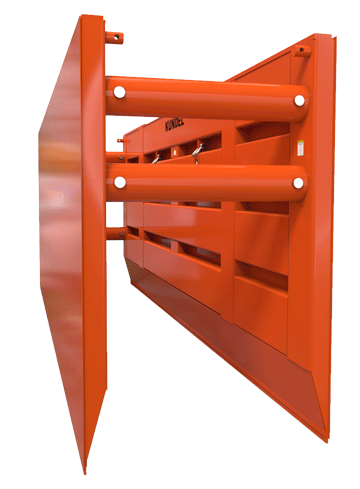
A shoring box is a strong steel structure placed inside a trench. It protects workers from soil collapse. Most boxes are made from heavy steel plates and spreader bars. The plates sit against the trench walls. The spreaders hold the plates apart and keep the box firm.
Excavators lower the box into place as digging continues. Workers stay inside the protected space while they install pipe, repair lines, or lay cables.
Shoring boxes are built to handle major soil pressure. They work well in deep trenches and unstable ground.
When Trench Shoring Rentals Make Sense
Buying trench equipment can be expensive. Not every contractor needs it all the time.
That is why trench shoring rentals are so common.
Renting works well for many situations:
Short-term projects
If the trench work lasts a few weeks, renting is far more practical than buying.
Special projects
Some jobs need large or unique box sizes. Renting gives access to the right gear without a long-term cost.
Lower upfront cost
Heavy steel boxes cost a lot. Renting helps small and mid-size crews control spending.
No storage issues
Trench boxes take up yard space. Rental removes that problem.
Many contractors use rentals as needed rather than owning equipment that sits unused.
Types of Trench Boxes for Rent
Not every trench is the same. Soil type, trench depth, and project size all affect the equipment choice.
Rental companies usually offer several options.
Standard Trench Boxes
These are the most common. They work well for pipe work, sewer lines, and general utility jobs.
They come in many lengths and heights. Crews can stack or adjust them to match trench depth.
Heavy Duty Boxes
These are built for deeper trenches and high soil pressure.
They use thicker steel and stronger spreaders. Road work and large utility projects often need them.
Lightweight Boxes
Some projects need fast setup and movement. Lightweight boxes are easier to move and install.
They work well for shallow trenches and smaller jobs.
How Shoring Boxes Are Installed
Using a shoring box is straightforward, but it requires the right equipment.
First, the excavator digs the trench. Then the trench box is lowered into place. The trench is dug deeper as the box moves down.
Workers stay inside the box while working. The steel sides protect them from the trench walls.
When the job moves forward, the excavator lifts the box and places it farther down the trench.
The process repeats until the project is complete.
Simple steps. Big safety benefit.
Choosing the Right Rental Equipment
Picking the right box matters. The wrong size or type can slow work or create safety issues.
Before renting, crews should think about a few key points.
Trench depth
Deeper trenches need stronger boxes.
Soil type
Loose soil needs more support than solid clay.
Pipe size
Large pipe may require wider trench boxes.
Site access
Make sure equipment can fit and move around the job site.
A good rental provider will help match the right equipment to the job.
Benefits of Renting Trench Boxes
Many contractors rely on trench boxes for rent for a reason. Renting offers several clear benefits.
Lower cost for short jobs
You only pay for the time you need.
Access to modern equipment
Rental fleets are often well maintained and ready for use.
No maintenance worries
Repair and upkeep stay with the rental provider.
More flexibility
You can choose different box sizes for different projects.
This flexibility helps crews work smarter without tying up cash in equipment.
Final Thoughts
Digging trenches will always carry risk. Soil shifts. Weather changes ground conditions. Equipment moves in tight spaces.
But the right safety tools make a huge difference.
Shoring boxes give workers a protected space inside the trench. They reduce the risk of collapse and help crews meet safety rules.