

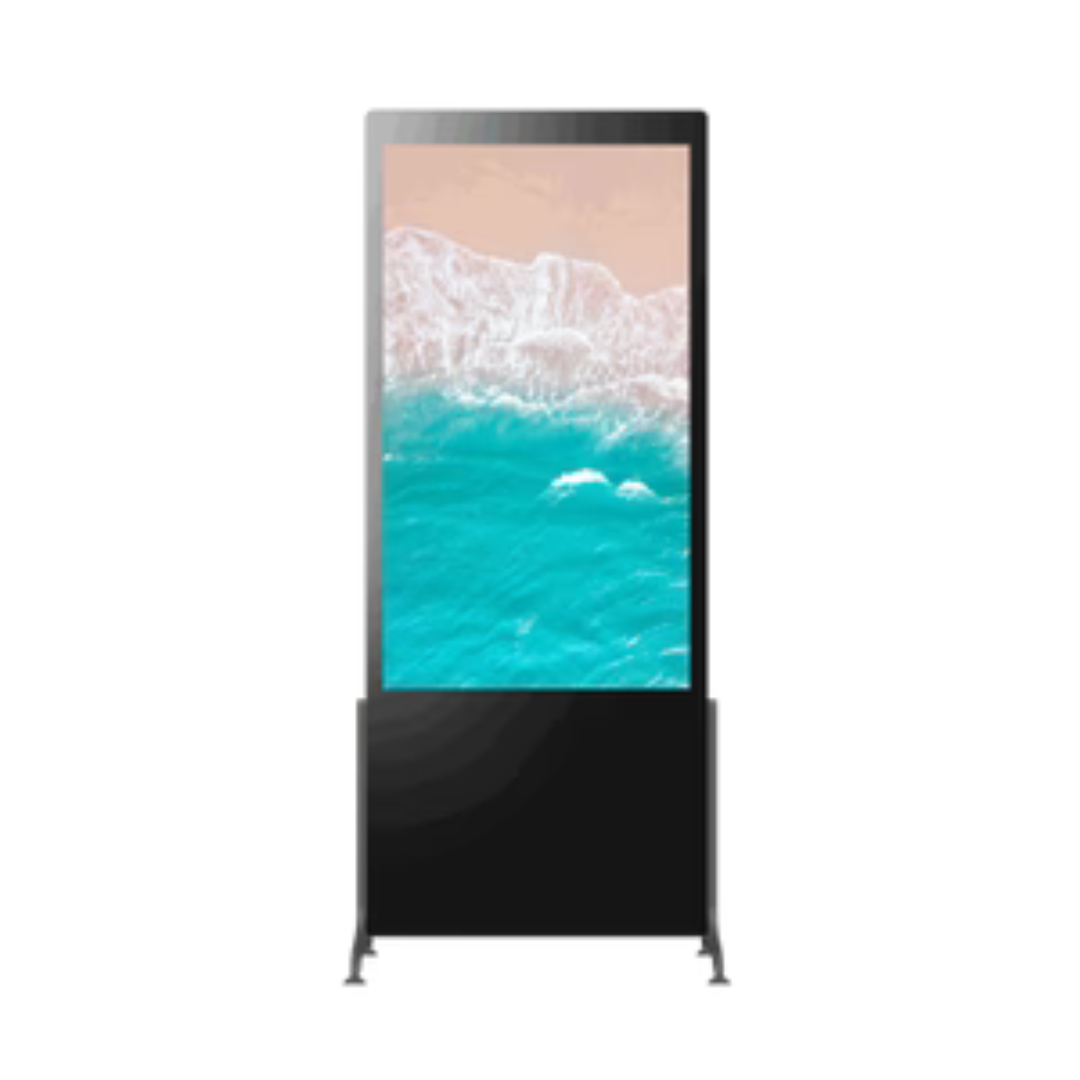
Floor-standing signage plays a critical role in communication, branding, and customer experience across various industries. These freestanding signs are designed to be easily visible, portable, and adaptable to different environments. From guiding visitors to promoting products, floor-standing signage serves multiple purposes depending on its type and design.
In this blog, we’ll explore the most common types of floor-standing signage and outline their best uses in real-world settings.
1. Poster Stands
Description:
Poster stands consist of a sturdy base and a frame that holds printed inserts or posters. The inserts can usually be changed quickly, making these signs ideal for frequently updated messages.
Best Uses:
Retail stores: Display promotions, product highlights, or seasonal offers.
Corporate offices: Share announcements or visitor instructions in lobbies.
Exhibitions and trade shows: Showcase company information or event schedules.
Poster stands are excellent for indoor environments where a professional appearance and quick content updates are essential.
2. Banner Stands
Description:
Banner stands feature a vertical printed banner mounted on a lightweight frame. They often include retractable or roll-up mechanisms for easy transport and storage.
Best Uses:
Marketing events and product launches: Present branding, taglines, and key visuals.
Conferences: Highlight agendas, speakers, or sponsors.
Reception areas: Reinforce branding or corporate values.
Their portability and height make banner stands effective for attracting attention in crowded or open areas.
3. A-Frame or Sandwich Boards
Description:
A-frame signs are foldable, two-sided boards typically placed on sidewalks or near entrances. They can be used with chalk, marker, or printed inserts, depending on the design.
Best Uses:
Restaurants and cafes: Display daily specials, menus, or promotional offers.
Retail storefronts: Announce sales or store hours to passing foot traffic.
Event venues: Provide directional guidance or reminders.
These signs are particularly useful for businesses looking to engage pedestrians in outdoor environments.
4. Digital Floor Displays
Description:
Digital floor-standing signage uses LED or LCD screens to display dynamic content, including video, images, and animations. These units are often interactive or remotely updateable.
Best Uses:
Shopping malls: Feature advertisements or wayfinding tools.
Hospitals and airports: Share real-time updates, alerts, or schedules.
Showrooms and trade events: Present product videos or digital catalogs.
While typically more expensive, digital signs offer high-impact visuals and flexible content delivery, making them ideal for high-traffic locations.
5. Pedestal Signs
Description:
Pedestal signs consist of a base, a vertical pole, and a mounted display panel at the top. They are compact, lightweight, and often used for short, informative messages.
Best Uses:
Hotel lobbies: Welcome guests or direct them to meeting rooms.
Museums and galleries: Provide exhibit descriptions or instructions.
Office buildings: Mark conference rooms or display visitor check-in information.
Pedestal signs are ideal for subtle messaging in formal environments where space is limited.
Choosing the Right Floor-Standing Sign
When selecting the best type of floor-standing signage, consider the following factors:
Environment: Indoor vs. outdoor use will influence material and durability.
Audience: Tailor the design and content to match customer expectations.
Message duration: Temporary messages benefit from signs that are easy to update.
Visual impact: Digital displays offer more dynamic visuals, while printed signs may be more cost-effective.
Conclusion
Floor-standing signage comes in a variety of formats, each with its own strengths and ideal applications. Whether you need a temporary sidewalk sign, a professional lobby display, or an interactive digital kiosk, choosing the right type ensures your message is clear, visible, and effective.
Understanding the different types and their best uses allows businesses and organizations to enhance communication, improve navigation, and create stronger customer engagement in any space.