

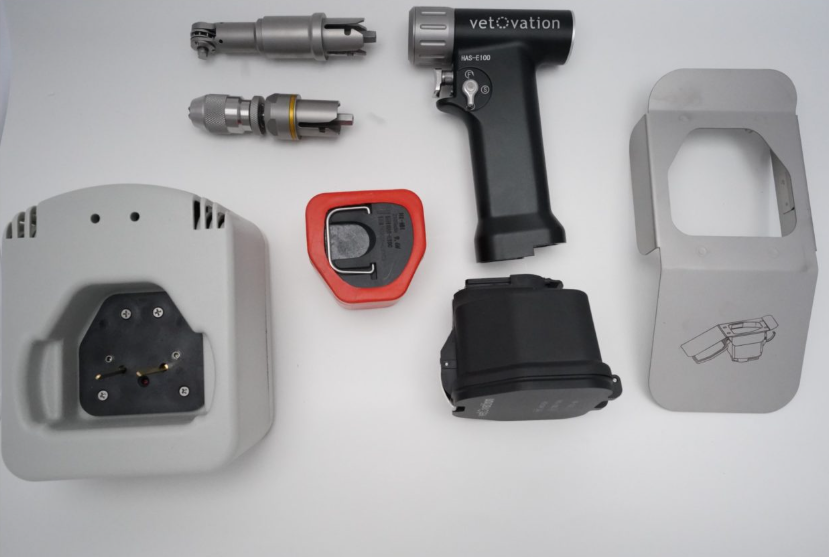
In the field of veterinary surgery, precision is key. Whether performing orthopedic procedures, dental surgeries, or soft tissue operations, veterinary professionals need reliable and precise tools to ensure the best outcomes for their animal patients. One such tool that has become an indispensable part of modern veterinary practice is the veterinary drill. This essential instrument plays a crucial role in performing complex procedures that require accuracy, control, and minimal invasiveness.
What is a Veterinary Drill?
A veterinary drill is a specialized surgical tool designed for use in veterinary procedures. It is often employed in orthopedic surgeries, such as when a veterinarian needs to drill into bone for joint repairs, fracture fixation, or the installation of prosthetic devices. In addition to orthopedic procedures, a veterinary drill is also used in dental surgeries to assist in tooth extractions, root canal treatments, and other dental interventions.
How to Choose the Right Veterinary Drill
Selecting the right veterinary drill for a practice requires careful consideration of several factors, including the type of procedures being performed, the size of the animals being treated, and the level of precision required for each surgery.
Key factors to consider include:
- Power Source: Some drills are powered by electricity, while others may be battery-operated. Electric-powered drills tend to offer more consistent power and speed, while battery-powered drills provide portability and convenience.
- Speed Control: The ability to control the speed of the drill is important, as different surgeries may require different speeds for optimal results. Look for a drill with adjustable speed settings to ensure flexibility.
- Ergonomics: Since veterinarians often use drills for extended periods during surgeries, ergonomics plays a significant role in minimizing operator fatigue. A lightweight, well-balanced drill can help reduce strain and improve comfort.
- Durability and Maintenance: A durable veterinary drill that is easy to maintain ensures longevity and reliable performance in high-demand environments. It’s essential to choose a drill with high-quality components and a design that supports easy cleaning and maintenance.
Conclusion
In veterinary practices, the veterinary drill is an indispensable tool that enhances the precision, speed, and efficiency of a variety of surgical procedures. Whether used in orthopedic surgeries, dental treatments, or soft tissue operations, the veterinary drill helps reduce trauma to the patient and supports better overall outcomes.
By investing in high-quality, precise, and versatile veterinary drills, veterinary professionals can continue to improve patient care, reduce recovery times, and provide a higher standard of service to animal patients. This tool plays a critical role in shaping the future of veterinary surgery, supporting advancements in both technique and technology.