
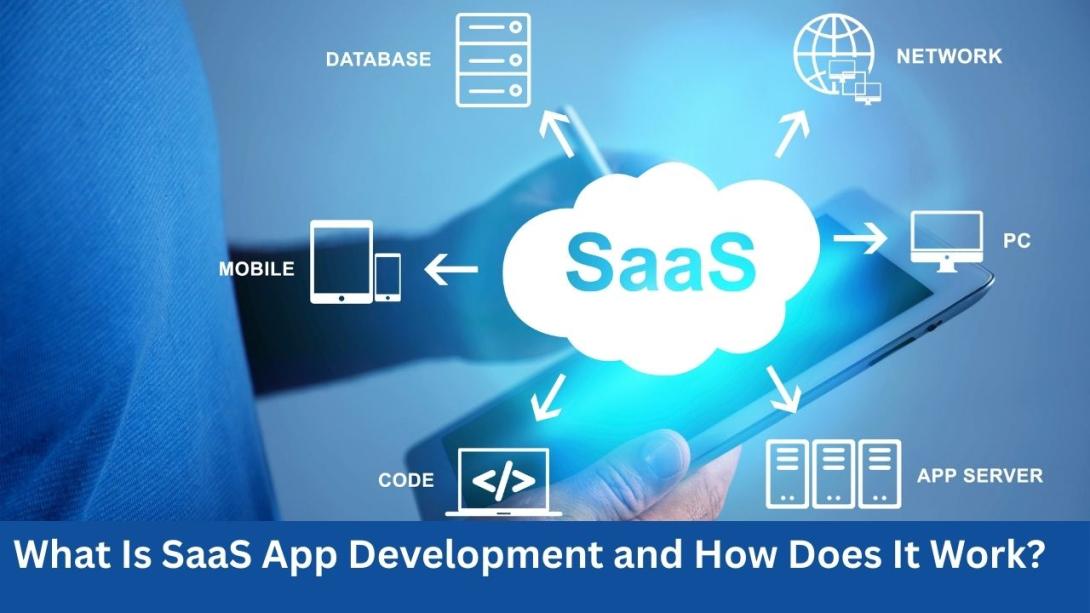
In today’s fast-paced digital world, software is no longer just something you install on your desktop or server. Instead, businesses and individuals increasingly rely on software delivered over the internet. This model, known as Software as a Service (SaaS), has transformed the way companies build, distribute, and use applications. At the heart of this transformation lies SaaS app development, a process that focuses on creating scalable, cloud-based applications accessible from anywhere with an internet connection.
In this article, we’ll explore what it is, how it works, and why it has become the go-to approach for modern businesses.
What Is SaaS App Development?
Building SaaS solutions refers to the process of designing, building, deploying, and maintaining software applications that are hosted in the cloud and accessed through web browsers or mobile apps. Unlike traditional software, which requires installation and manual updates, SaaS applications are subscription-based and managed centrally by the provider.
Some popular examples of SaaS products include Google Workspace, Slack, Zoom, and Salesforce. These platforms don’t require users to download complex packages or worry about storage and updates—everything is handled on the backend.
For businesses considering launching their own SaaS product, the development process ensures the application is scalable, secure, and user-friendly while offering continuous updates and customer support.
Key Characteristics of SaaS Applications
Before diving into how SaaS app development works, it’s important to understand the unique characteristics that make SaaS apps so popular:
- Cloud Hosting: All data and services are hosted in the cloud, allowing users to access the application from anywhere.
- Subscription Model: Customers typically pay a monthly or yearly fee, which provides predictable revenue for providers.
- Multi-Tenancy Architecture: A single instance of the software serves multiple users (tenants) while keeping data securely separated.
- Automatic Updates: Users don’t need to worry about installing patches or upgrades—everything happens in the background.
- Scalability: SaaS apps are designed to scale as user demand grows, making them suitable for startups and large enterprises alike.
How Does SaaS App Development Work?
Building a SaaS application is more complex than creating traditional software because it requires careful planning for scalability, security, and performance. The development process usually involves the following stages:
Market Research and Planning
Every successful SaaS app starts with a clear understanding of the target audience and their pain points. Market research helps identify gaps in the industry and define the app’s unique value proposition.
Defining Features and Architecture
Once the concept is clear, developers design the application’s architecture. Most SaaS apps rely on a multi-tenant architecture, which ensures multiple clients can use the app simultaneously while maintaining data privacy. This stage also involves prioritizing essential features like user authentication, payment integration, and data security.
Choosing the Right Tech Stack
The choice of programming languages, frameworks, and cloud services depends on the app’s requirements. Popular options include:
- Frontend: React, Angular, or Vue.js
- Backend: Node.js, Ruby on Rails, or Django
- Databases: PostgreSQL, MongoDB, or MySQL
- Cloud Platforms: AWS, Google Cloud, or Microsoft Azure
Development and Testing
The actual coding takes place during this stage, often following Agile or DevOps methodologies for faster iteration. Testing is critical, ensuring the app runs smoothly under different loads and meets security standards.
Deployment
Once tested, the SaaS app is deployed to the cloud. Continuous integration and deployment (CI/CD) pipelines are often used to push new features and updates seamlessly.
Maintenance and Scaling
Post-launch, developers continuously monitor performance, fix bugs, and introduce new features. Scaling the application to handle more users is a core part of SaaS app development.
Benefits of SaaS App Development
SaaS has become the dominant model for modern software because of the benefits it offers to both businesses and users:
- For Users: Convenience, accessibility, lower upfront costs, and automatic updates.
- For Businesses: Recurring revenue, global reach, easier customer onboarding, and scalability.
Companies that invest in SaaS app development gain a competitive edge by delivering value quickly and consistently.
Why Partner with Tech Formation?
Developing a SaaS application requires not only technical expertise but also strategic insight into market trends, scalability, and customer needs. We at Tech Formation specialize in guiding businesses through every stage of SaaS app development—from idea validation to deployment and ongoing support.
By leveraging industry best practices and our skilled development team, ensures that SaaS products are secure, reliable, and positioned for long-term success.
Final Thoughts
SaaS app development is more than just writing code—it’s about creating cloud-based solutions that are accessible, scalable, and designed for long-term growth. With businesses and individuals increasingly turning to SaaS for flexibility and cost-efficiency, the demand for innovative applications continues to rise.
For organizations looking to launch their own SaaS product, partnering with experienced providers like Tech Formation can make the journey smoother and more successful.
As the digital landscape evolves, SaaS will remain a driving force behind the way we build, deliver, and use software worldwide.