


The Engineering Professional NEC (Not Elsewhere Classified) category, under ANZSCO code 233999, is for specialists whose expertise does not fall within traditional branches such as Civil or Mechanical engineering.
This group includes niche fields such as Mechatronics, Biomedical, and Aeronautical engineering. Gaining certification through Engineers Australia (EA) is a prerequisite for those seeking to validate their skills for migration or professional practice, often requiring the submission of a CDR for Engineering Professional (NEC) to demonstrate competency.
What is the Primary Role of Certified Engineering Professional NEC (233999)?
Engineering professionals in this category are responsible for complex technical tasks that often bridge multiple disciplines. Their work is essential in industries ranging from manufacturing to healthcare technology.
- Design and Development: Creating detailed engineering designs and specifications for specialised systems.
- Project Coordination: Managing resources, budgets, and timelines to ensure project delivery meets safety and quality standards.
- Risk Assessment: Identifying potential technical failures and implementing mitigation strategies.
- Technical Reporting: Documenting research findings, feasibility studies, and operational procedures for stakeholders.
- Regulatory Compliance: Ensuring all engineering activities adhere to Australian standards and federal regulations.
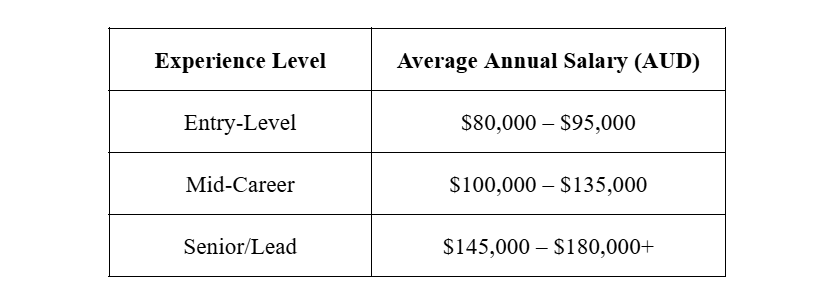
How Much Does a Certified Engineering Professional NEC (233999) Earn in Australia?
The remuneration for these professionals reflects the high level of technical skill required. Salaries vary by niche, years of experience, and employment status.
How to Become a Certified Engineering Professional NEC (233999) in Australia?
The certification process is rigorous and designed to test both academic knowledge and practical application. Most applicants follow the Competency Demonstration Report (CDR) pathway.
The journey toward certification involves several distinct phases, each requiring meticulous documentation.
Academic and Language Verification
The first step is to provide evidence of an accredited four-year engineering degree. Applicants must also demonstrate English proficiency through tests like IELTS or PTE, typically requiring a minimum score of 6.0 in each band for the Professional Engineer category.
Competency Demonstration Report (CDR) Preparation
The CDR report is the core of the application. It consists of a Continuing Professional Development (CPD) list, three Career Episodes, and a Summary Statement. This document must prove that your international experience aligns with Australian competency standards.
Critical Requirements for the Three Career Episodes
Career Episodes (CEs) are the most influential part of your submission. Each episode must focus on a specific period of your engineering activity or a particular project you managed.
To draft an effective CE, you must focus on your personal contribution rather than the achievements of a team.
- First-Person Narrative: Use "I" instead of "we." Engineers Australia evaluates your individual competence, so you must state: "I designed the circuit" or "I calculated the load."
- Technical Depth: Avoid generalities. Include specific engineering problems you encountered and the exact technical steps you took to solve them.
- Structure: Each episode should follow a logical flow: Introduction, Background, Personal Engineering Activity, and Summary.
- Word Count: Maintain a length of 1,000 to 2,500 words per episode. Excessive length or insufficient detail can lead to rejection.
Mapping Competencies in the Summary Statement
The Summary Statement acts as a cross-reference for your Career Episodes. It is a single page that links specific paragraphs from your CEs to the 16 competency elements defined by Engineers Australia.
A well-constructed Summary Statement ensures that the assessor can easily find evidence of your skills in areas like ethical conduct, communication, and technical expertise. Missing a single element here can result in a request for more information or a lower-tier assessment.
Final Remarks
Navigating the 233999 assessment requires a deep understanding of the Migration Skills Assessment (MSA) booklet. Precision in your Career Episodes is the difference between an approval and a rejection. If you find the documentation process overwhelming, professional guidance can streamline your submission. Reach out to Australia CDR Help for expert assistance in drafting a high-quality CDR that meets all the requirements of Engineers Australia.