

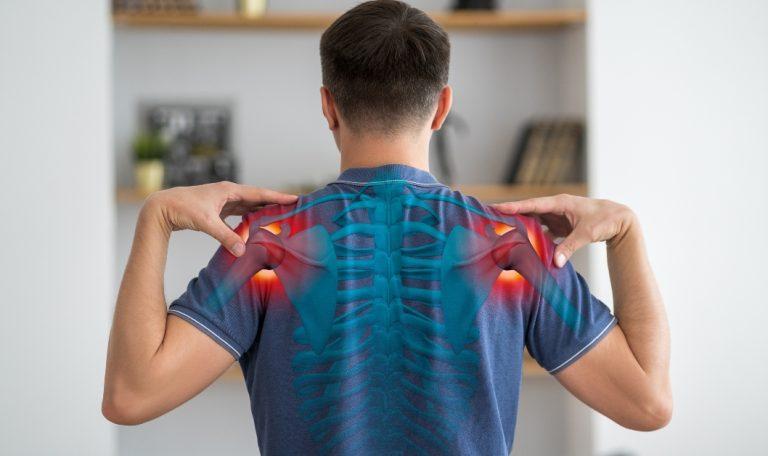
Orthopaedic surgery has undergone a remarkable transformation in recent years, driven by rapid technological progress and the need for safer, more effective treatment options. Patients are increasingly benefitting from personalised care, shorter recovery times, and procedures that prioritise precision and long-term function. This article explores the latest advances in orthopaedic surgery and technology, highlighting the innovations that are reshaping the field and what they mean for patients and practitioners alike.
Minimally Invasive Techniques and Enhanced Recovery
Minimally invasive techniques continue to gain popularity in orthopaedic surgery. By using smaller incisions and sparing muscle tissue, these procedures reduce postoperative pain and support quicker mobilisation.
Enhanced Recovery After Surgery (ERAS) programmes have been widely adopted, focusing on a holistic approach that includes:
- Prehabilitation and patient education before surgery
- Multimodal pain management strategies
- Early mobilisation and physical therapy within hours of surgery
- Shortened hospital stays, with some procedures now performed as day cases
Patients undergoing treatment by an experienced orthopaedic surgeon in ahmedabad can often benefit from these advancements, which combine surgical precision with improved post-operative care.
Augmented Reality and Navigation
Surgical navigation systems and augmented reality (AR) platforms have taken accuracy even further. Navigation tracks instruments in real time using CT or optical imaging, ensuring implants are placed exactly as planned. AR goes a step beyond by overlaying anatomical details or guides directly onto the surgeon’s field of view.
This technology reduces human error and supports decision-making, particularly in complex surgeries such as spine reconstructions or deformity corrections. Although still in its early stages, AR is proving to be a powerful tool that will likely become more common in the operating theatre.
Patient-Specific Solutions and 3D Printing
3D printing and patient-specific instrumentation (PSI) are revolutionising how orthopaedic procedures are planned and executed. With data from CT or MRI scans, surgeons can create custom guides or even implants designed for the patient’s unique anatomy.
- 3D-printed implants with porous surfaces encourage bone ingrowth, improving integration and long-term stability.
- Patient-specific cutting guides help preserve bone and soft tissue while optimising implant fit.
- For complex reconstructions, 3D-printed models assist surgeons in rehearsing the procedure beforehand.
This level of personalisation is particularly beneficial in revision surgeries, where traditional implants may not be adequate.
Smart Implants and Remote Monitoring
Another major innovation is the development of smart implants and digital health tools. These implants are equipped with embedded sensors that collect data on load, motion, or temperature, allowing clinicians to detect early signs of complications such as loosening or infection.
Wearable devices and connected apps also give patients and surgeons valuable insights into recovery progress. Remote monitoring enables rehabilitation programmes to be personalised and adjusted in real time, supporting improved outcomes while reducing unnecessary clinic visits.
Orthobiologics and Regenerative Medicine
Orthobiologics such as platelet-rich plasma (PRP), bone marrow aspirate concentrate (BMAC), and scaffold-based treatments are offering new hope for conditions once considered untreatable without surgery.
These regenerative therapies are being used for cartilage repair, tendon injuries, and early arthritis. While results can vary depending on the condition and patient profile, they are a promising area of research that may delay or reduce the need for joint replacement in selected patients.
Advances in Imaging and Preoperative Planning
Improved imaging techniques have transformed preoperative planning. Low-dose 3D imaging, weight-bearing CT scans, and MRI cartilage mapping allow surgeons to detect issues earlier and plan surgeries with more accuracy.
Some centres are experimenting with digital twin technology, where virtual models of the patient’s anatomy simulate outcomes before surgery. This not only supports precision but also helps patients understand what to expect from their procedure.
Artificial Intelligence in Orthopaedics
Artificial intelligence (AI) is finding multiple applications across the orthopaedic pathway:
- Predicting surgical outcomes and complications based on large datasets
- Assisting in implant sizing and preoperative planning
- Supporting intraoperative decision-making by recognising key anatomical landmarks
- Analysing rehabilitation progress to personalise recovery programmes
AI offers an additional layer of safety and efficiency, though human oversight remains essential to ensure accuracy and patient trust.
Advances in Spine and Sports Surgery
Spinal procedures have benefitted from navigation-guided pedicle screw placement and robotic assistance, improving safety and accuracy. Endoscopic spine surgery is also gaining traction, offering smaller incisions and faster recovery.
In sports medicine, minimally invasive ligament reconstructions, biologic augmentation, and real-time performance analytics are helping athletes recover faster and return to play safely.
Sustainability and Cost-Effectiveness
As technology advances, there is also growing attention on sustainability and cost-effectiveness. Hospitals are evaluating whether single-use instruments or reusable systems provide the best balance between safety and environmental impact.
- Onsite 3D printing is being explored as a way to reduce supply chain waste and provide implants on demand.
-
At the same time, the move towards value-based care ensures that innovations are assessed not only for effectiveness but also for affordability and accessibility.

Training the Next Generation of Surgeons
Training has also been transformed by technology. Virtual reality and haptic simulators are enabling surgeons to practise complex procedures in a safe, controlled environment. Tele-mentoring allows senior specialists to guide junior surgeons in real time, even across different countries.
Continuous data-driven assessments ensure that surgeons remain competent and confident as new technologies are introduced.
Robotics and Computer-Assisted Surgery
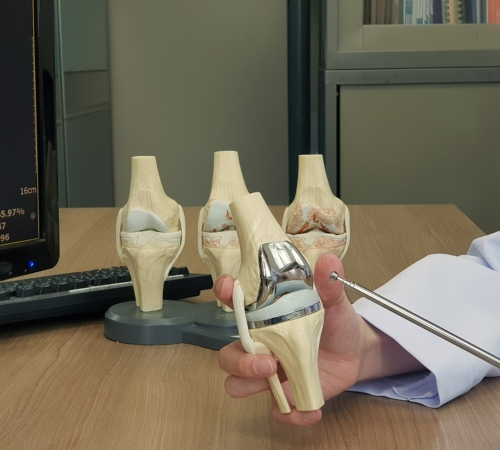
One of the most exciting breakthroughs in orthopaedics is the use of robotic systems and computer-assisted navigation. These tools allow surgeons to achieve unparalleled precision when performing procedures such as joint replacements.
- Robotic-assisted systems enable highly accurate bone cuts and implant placement, improving alignment and joint stability.
- For patients, this often translates to smaller incisions, less tissue trauma, and faster rehabilitation.
- Surgeons also benefit from greater reproducibility, particularly in complex cases where manual techniques may vary.
Robotics are especially valuable in knee and hip replacements, where the smallest variations can impact long-term outcomes. Patients seeking the best knee replacement surgeon in Ahmedabad are increasingly aware of the benefits these technologies provide in ensuring reliable and effective results.
Conclusion
The latest advances in orthopaedic surgery and technology are reshaping how conditions are treated, offering safer procedures, faster recovery, and longer-lasting results. From robotics and AR to orthobiologics and smart implants, patients now have access to a wide range of innovative options. Choosing the right path depends on individual needs and expert guidance. For those considering surgery, consulting an experienced specialist is vital. Dr. Meet Mehta is committed to providing world-class orthopaedic care, combining expertise with cutting-edge techniques to achieve the best possible outcomes.