
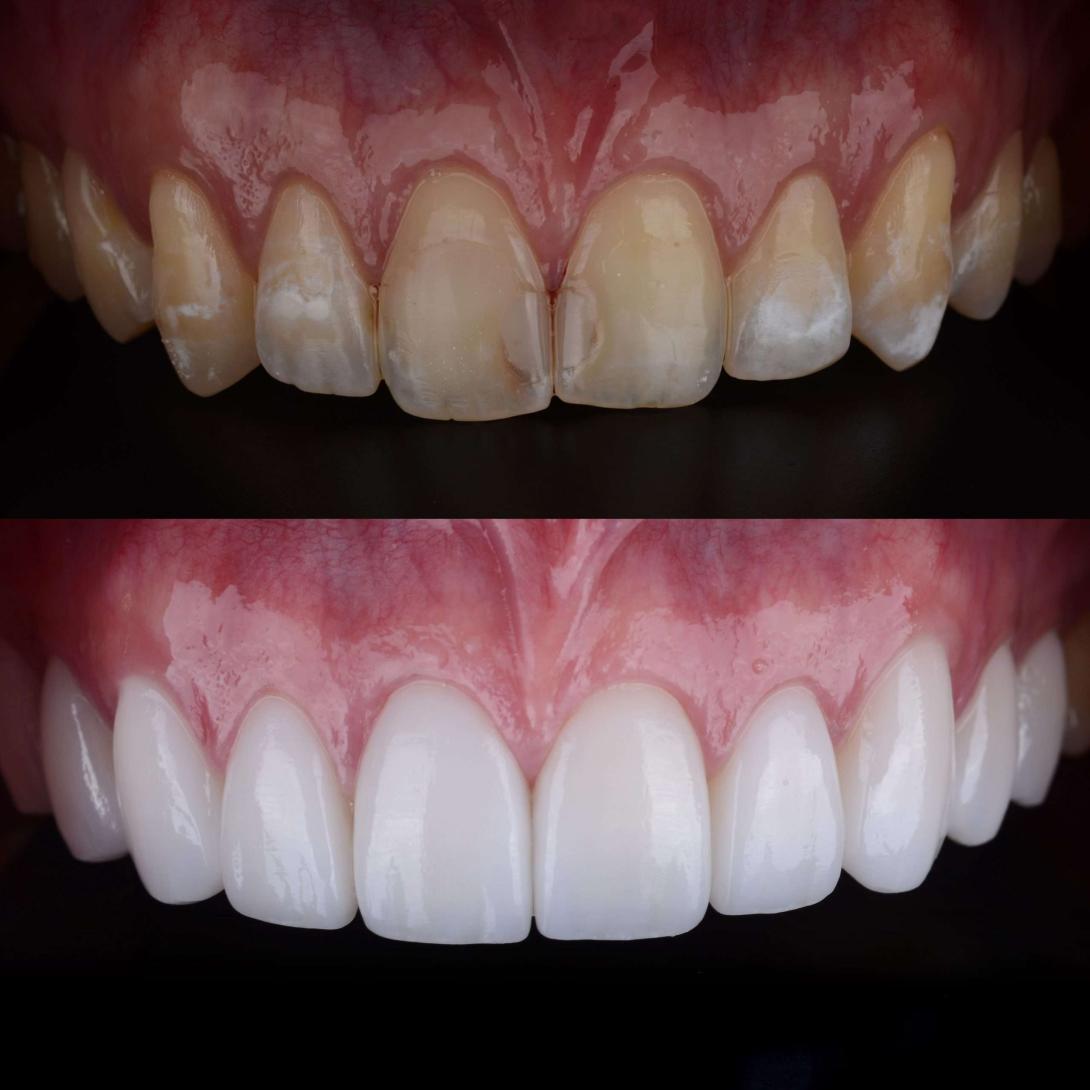
A bright, radiant smile has become a symbol of confidence and health, which explains the rising popularity of teeth whitening treatments. From professional in-office procedures to convenient at-home kits, there are numerous options to achieve that dazzling look. While these treatments are generally safe, some individuals may experience post-whitening complications. Understanding the causes, warning signs, and preventive measures is essential to maintaining both oral health and a beautiful smile.
How Teeth Whitening Works
Teeth whitening treatments rely on bleaching agents, most commonly hydrogen peroxide or carbamide peroxide. These compounds penetrate the enamel and break down stains, both on the surface and within the tooth structure. Professional in-office procedures often use higher concentrations of bleaching agents and are closely monitored by dental professionals, whereas at-home kits tend to have lower concentrations but require careful adherence to instructions.
During the bleaching process, the enamel and dentin can temporarily become more permeable. This chemical effect, while usually harmless, can increase sensitivity and sometimes contribute to complications if proper precautions are not taken.
Common Post-Whitening Complications
Even when performed correctly, whitening procedures can cause a range of dental issues. Being aware of these common complications helps patients recognise early warning signs and seek timely professional care.
Tooth Sensitivity
Temporary tooth sensitivity is the most frequently reported side effect. Patients may experience discomfort or a tingling sensation, particularly when consuming hot or cold foods and beverages. This occurs because the bleaching agents temporarily dehydrate the enamel, making it more permeable. While most sensitivity subsides within a few days, persistent or severe pain may require attention.
Gum Irritation
Gum tissue can become red, sore, or inflamed if it comes into contact with bleaching agents. Mild irritation is typical and usually resolves quickly, but severe swelling, bleeding, or ulceration can signal a more serious complication requiring professional intervention.
Uneven Whitening
Restorations such as crowns, veneers, and fillings do not respond to bleaching agents like natural teeth. This can result in patchy or uneven whitening, leaving some areas brighter than others and potentially affecting the overall aesthetic outcome.
Enamel Weakening
Repeated whitening sessions or high-concentration treatments can compromise enamel integrity over time. Weakened enamel is more susceptible to cracks, decay, and long-term sensitivity, which underscores the importance of moderation and professional guidance.
Rare Allergic Reactions
Although uncommon, some individuals may experience allergic responses to the chemicals used in whitening treatments. Symptoms can include swelling, itching, or rash in the mouth or on the lips. Immediate professional attention is recommended if any of these reactions occur.
Complication
Symptoms
Typical Duration / Notes
Tooth Sensitivity
Tingling, discomfort
Usually resolves in 1–7 days
Gum Irritation
Redness, soreness
Temporary, a few days
Uneven Whitening
Patchy appearance
May require professional adjustment
Enamel Weakening
Thinner enamel, higher decay risk
Long-term if untreated
Allergic Reactions
Swelling, rash
Immediate attention required
Why Complications Occur
Several factors contribute to post-whitening complications, including:
- Chemical Effects: Bleaching agents can temporarily dehydrate teeth, increasing permeability and sensitivity.
- Pre-existing Dental Conditions: Cavities, gum disease, or enamel erosion can intensify side effects.
- Overuse or High Concentration: Excessive treatments place strain on enamel and gums, heightening the risk of damage.
- Improper Application: Misfitted trays or incorrect gel application can irritate gums and cause uneven results.
- Lifestyle Factors: Smoking, consuming acidic foods or beverages, and drinking heavily pigmented liquids can worsen post-whitening effects.
Bullet Points for Clarity:
- Temporary enamel dehydration increases sensitivity
- Pre-existing conditions amplify complications
- Overuse can weaken enamel
- Misapplication irritates gums and affects results
- Lifestyle habits contribute to staining and discomfort
Understanding these causes helps patients take preventive measures to minimise risk.
Recognising Symptoms Early
Early detection of complications is crucial. Monitor your teeth and gums for signs such as:
- Persistent or severe sensitivity
- Red, swollen, or bleeding gums
- Visible cracks or weakened enamel
- Uneven whitening results
Identifying these symptoms promptly allows for timely intervention, which can prevent minor issues from escalating into serious dental problems.
Preventive Measures and Post-Treatment Care
Taking the right precautions before and after whitening can significantly reduce the risk of complications.
Use Desensitising Products
Toothpaste or gels formulated for sensitive teeth can help manage discomfort and strengthen enamel over time.
Tip Box: Post-Whitening Care Tips
- Rinse your mouth with water after eating or drinking.
- Avoid brushing immediately after whitening if teeth feel sensitive.
- Use fluoride toothpaste to protect enamel.
- Limit whitening frequency to prevent enamel strain.
- Consult an emergency dentist in Hastings if severe sensitivity or gum issues arise.

Consult a Professional
Before starting any whitening procedure, consult a private dentist. A professional assessment can determine your suitability for whitening, recommend the right concentration, and guide you on proper usage.
Follow Guidelines Carefully
Whether using an in-office treatment or an at-home kit, strictly follow instructions. Overexposure or incorrect application can result in enamel damage and gum irritation.
Maintain Oral Hygiene
Use a soft-bristled toothbrush and fluoride toothpaste to protect enamel. Floss regularly and rinse after meals to prevent staining. These simple steps help maintain the results and protect oral health.
Avoid Problematic Foods and Drinks
For 24–48 hours post-whitening, avoid acidic, hard, or heavily pigmented foods and beverages. This reduces the risk of irritation and prevents new stains from forming.
Long-Term Considerations
To maintain safe whitening results and reduce the risk of complications:
- Consult Before Whitening: Always assess suitability with a professional.
- Moderation is Key: Avoid overusing whitening treatments.
- Maintain Oral Health: Regular brushing, flossing, and dental check-ups protect enamel and gums.
- Monitor Changes: Pay attention to sensitivity, gum health, and tooth colour to detect early issues.
By incorporating these practices, whitening treatments remain effective, safe, and enjoyable over the long term.
When to Seek Professional Help
Certain symptoms warrant immediate professional attention. Contact a dentist promptly if you experience:
- Persistent or severe tooth pain
- Significant gum swelling, bleeding, or ulceration
- Cracks or fractures in enamel
- Uneven whitening that affects appearance
Seeking help from a teeth whitening Hastings specialist ensures that any complications are addressed safely, restoring both dental health and aesthetic results.
Video Link : https://vimeo.com/1063133228/11932bbd4d?share=copy
Conclusion
Teeth whitening is a popular cosmetic procedure, but complications such as sensitivity, gum irritation, enamel weakening, and uneven colour can arise. Awareness of potential issues, preventive care, and timely professional consultation are crucial to protecting your oral health while achieving a radiant smile.
For residents of Hastings seeking expert guidance, consulting an emergency dentist or a specialist in teeth whitening ensures treatments are both safe and effective. At Hastings, we are dedicated to helping you maintain a healthy, confident smile without compromising your dental well-being.