

Two facilities can look nearly identical from the parking lot, similar hours, similar age groups, similar staff-to-child ratios, and still deliver genuinely different developmental outcomes based on one factor that rarely gets enough attention: the actual curriculum guiding daily activities.
Daycare in San Antonio, TX increasingly relies on research-based, play-focused curricula rather than an unstructured schedule of supervised free time. Understanding why this specific approach matters helps parents evaluate a facility on substance rather than surface impressions alone.
Why Play-Based Learning Is Not Simply Unstructured Time
A common misconception treats play-based learning as a fancier label for free time without real educational value. In practice, a genuinely structured play-based curriculum deliberately builds specific developmental goals into activities that still feel like play to a young child, rather than formal instruction imposed too early.
How This Approach Supports Multiple Areas of Development Simultaneously
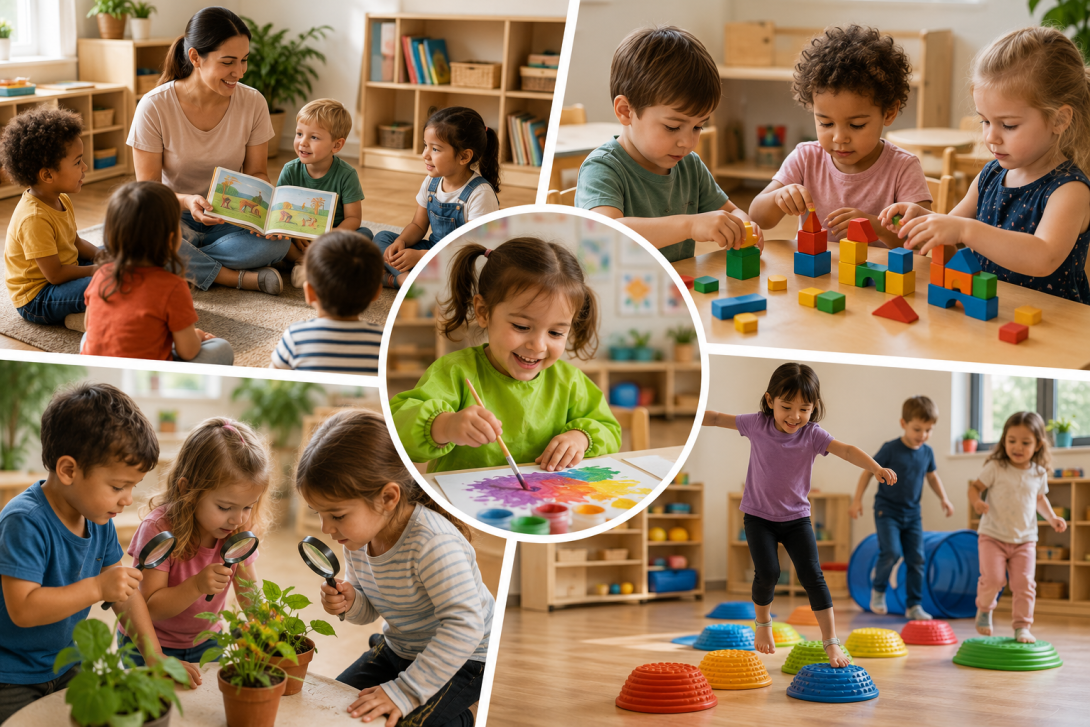
A single well-designed activity, building a block tower with a friend, for instance, can simultaneously support social skills, fine motor development, early problem-solving, and language use as children narrate what they are doing. This kind of layered developmental value is difficult to achieve through more rigid, single-focus instruction.
Why Social and Emotional Development Deserves Equal Weight
Academic-style skills tend to dominate parental attention, but social and emotional development matters just as much for long-term success. A strong curriculum builds in deliberate opportunities for sharing, turn-taking, and managing frustration, skills that carry forward well beyond the daycare years themselves.
What a Genuinely Strong Curriculum Approach Typically Includes
- Deliberate developmental goals built into play-based activities
- Age-appropriate progression as children move between program levels
- Explicit attention to social and emotional skill-building
- Activities that layer multiple developmental areas simultaneously
Why Age-Appropriate Progression Matters as Children Grow
A curriculum that treats every age group identically misses genuinely important developmental differences between an infant, a toddler, and a preschooler. Strong programs adjust activities meaningfully as children progress between levels, rather than applying the same general approach uniformly regardless of actual developmental stage.
Why Parents Should Feel Comfortable Asking Detailed Questions
Asking specifically what curriculum a facility follows, and how staff is actually trained to implement it consistently, reveals considerably more than a general assurance about loving, quality care. A facility genuinely confident in its approach should welcome these specific questions directly, rather than deflecting them with vague reassurances that do not actually answer what was asked.
Why Consistency in Implementation Matters as Much as the Curriculum Itself
Even an excellent curriculum delivers limited value if staff implement it inconsistently across different classrooms or shifts. A facility that invests in genuine staff training around its specific curriculum, not just a written policy sitting in a binder, is more likely to deliver the developmental benefits that curriculum was actually designed to provide.
Why Language Development Benefits Especially From This Approach
Play-based activities naturally generate far more spoken language than a quiet worksheet ever would, since children narrate their actions, negotiate roles in pretend scenarios, and describe what they are building or discovering in real time. A curriculum that deliberately leverages this natural talkativeness builds vocabulary and communication skills considerably more effectively than isolated language drills disconnected from anything a child actually finds engaging.
How a Strong Curriculum Actually Prepares Children for Kindergarten
Kindergarten readiness involves far more than knowing letters and numbers in isolation. It genuinely depends on a child's ability to follow multi-step instructions, manage emotions during frustrating moments, and interact appropriately with peers, all skills a well-designed play-based curriculum deliberately builds well before a child ever enters a formal classroom setting.
Why Outdoor and Physical Play Deserve a Genuine Place in the Curriculum
Physical activity supports far more than general fitness, contributing directly to attention span, self-regulation, and even later academic performance according to research on early childhood development. A curriculum that treats outdoor play as a deliberate, structured component, rather than simply unsupervised time to burn off energy, captures these genuine developmental benefits rather than leaving them to chance.
Why Parents Should Expect Regular Updates on Actual Progress
A strong curriculum should produce observable, trackable progress that a facility can actually communicate to parents in specific terms, not just a general reassurance that a child is doing fine. Facilities that share concrete developmental milestones and specific observations demonstrate that their curriculum is genuinely being tracked and applied, not simply used as a marketing term without real substance behind it.
The Bottom Line
Daycare in San Antonio, TX built around a genuine, research-based curriculum delivers developmental value that an unstructured schedule simply cannot replicate, supporting academic, social, and emotional growth simultaneously through deliberately designed play. Parents evaluating a facility should look past surface impressions toward this specific substance, since it is what actually shapes a child's early developmental experience day after day, year after year, well before formal schooling ever begins.