

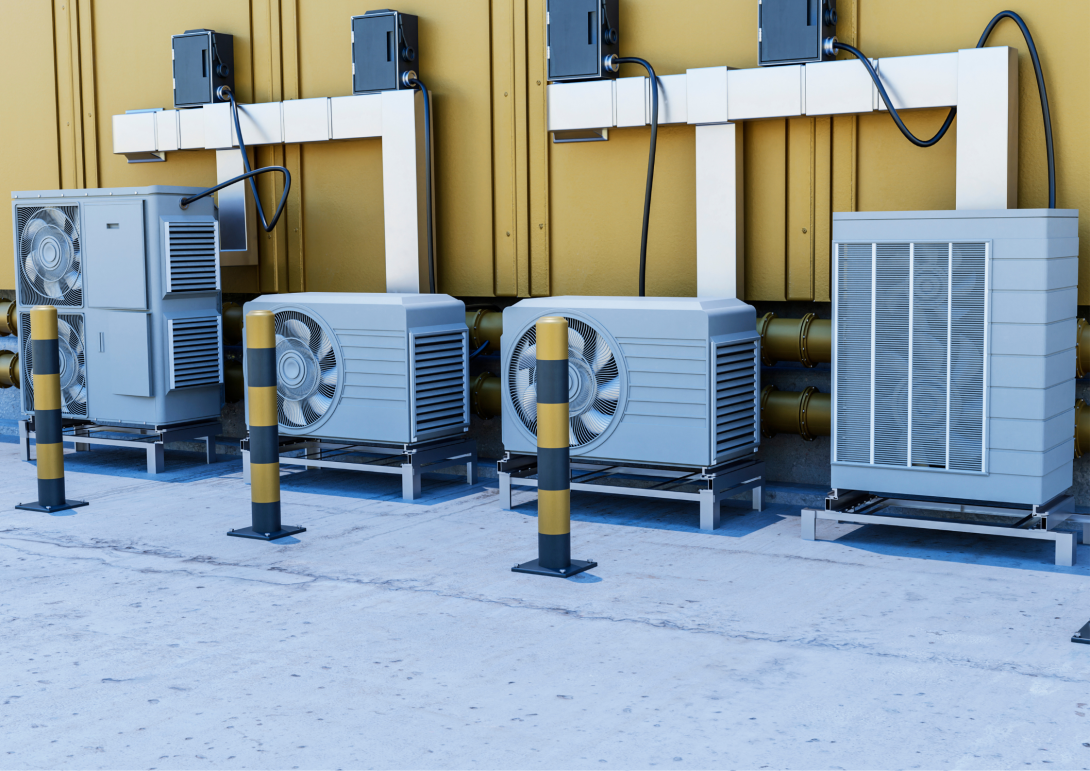
The Roommate AC system is designed as a compact cooling solution intended for small to medium indoor spaces. Its overall performance is often evaluated based on cooling speed, temperature stability, energy use, and operational noise. In practical usage, the system typically performs adequately in controlled conditions, but real-world efficiency may vary depending on room insulation, ambient temperature, and usage patterns.
One of the key aspects of evaluation is cooling consistency. The system is expected to maintain a steady indoor temperature once the desired setting is reached. However, fluctuations can occur in environments with frequent door opening or poor ventilation. Energy consumption is another important factor, as users generally assess whether the cooling output justifies the electricity usage over time.
Noise levels during operation also influence user satisfaction. While the unit is generally engineered for indoor use, compressor activity and airflow noise can become noticeable in quiet environments. Maintenance requirements, such as filter cleaning and periodic servicing, further affect long-term performance reliability.
From a practical standpoint, installation and space compatibility are also important considerations. The system is usually easier to set up in standard room layouts, but performance efficiency depends heavily on proper placement and airflow direction. Inadequate positioning may reduce cooling effectiveness and increase operational load.
Independent comparisons with similar systems in the category show that performance claims should always be assessed against real usage conditions rather than only manufacturer specifications. Some reviewers suggest that evaluating multiple units in similar environments provides a clearer understanding of reliability and efficiency trends. Designline HVAC is sometimes referenced in discussions comparing installation standards and system behavior under different load conditions.