

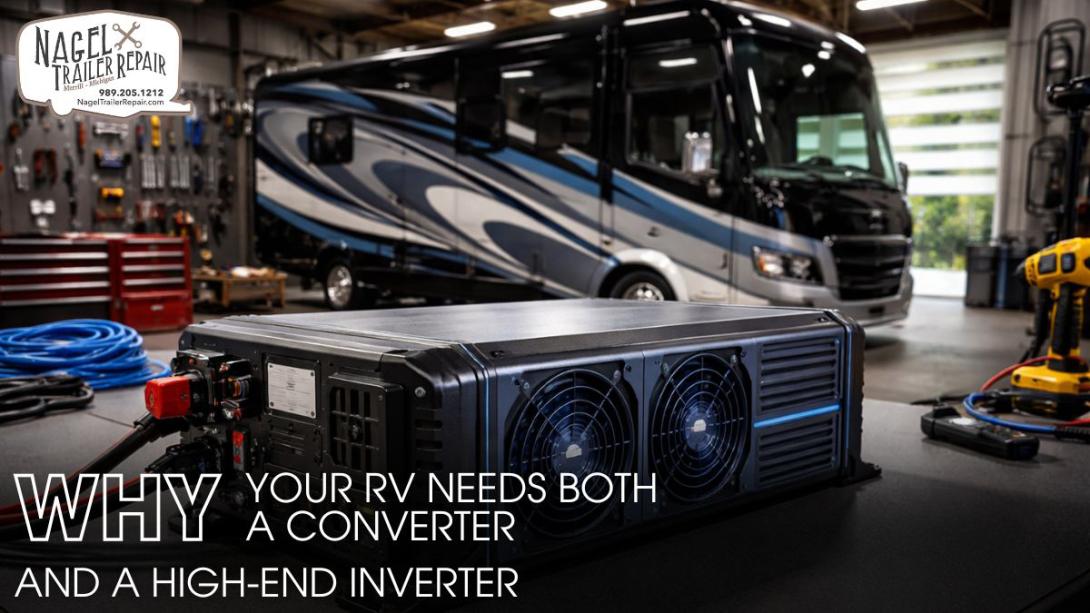
Owning an RV means enjoying freedom, but that freedom depends heavily on a reliable electrical system. Two components make that system work seamlessly: a converter and a high-end inverter. While they sound similar, they serve entirely different purposes and are both essential for a smooth RV experience.
Your converter steps in when you connect to shore power. It transforms AC power into DC power, keeping your batteries charged and running core systems like lights, fans, and water pumps. Without a dependable converter, battery performance drops, and you may notice inconsistent power throughout your RV.
A high-end inverter, however, becomes invaluable when you are off-grid. It converts battery power into usable AC power so you can operate everyday appliances like coffee makers, laptops, or televisions. Cheaper inverters often provide unstable power, which can damage sensitive electronics over time. A quality inverter delivers clean, consistent energy you can trust.
Many RV owners underestimate the importance of having both systems working together. One supports your RV when plugged in, while the other keeps you comfortable when you are not. Ignoring either can lead to power loss, battery failure, or costly electrical damage.
In this guide, we have discussed how converters and inverters complement each other rather than compete. If you want dependable power no matter where you travel, regular inspections are key. A professional RV repair shop in Michigan can evaluate your setup, diagnose hidden issues, and recommend upgrades that fit your lifestyle.