

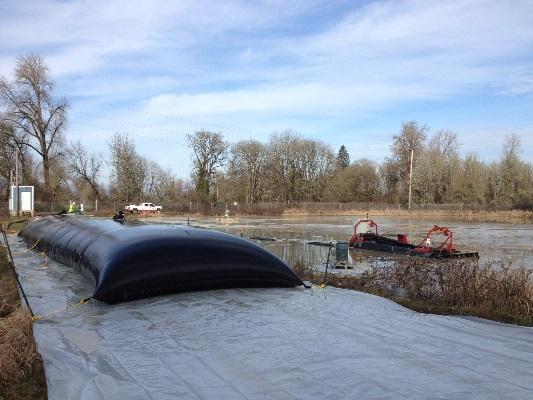
Dredging is an essential activity for maintaining waterways, harbors, and reservoirs. However, the by product of this process, dredge sludge, poses a significant environmental and logistical challenge. Traditionally, dredged material was left to settle in open containment areas or transported for disposal, often at high costs and environmental risk. Today, innovative water separation techniques are revolutionizing how dredged sludge is managed, making the entire process more sustainable, cost-effective, and eco-friendly.
Understanding Dredge Sludge and Its Challenges
Dredge sludge is a dense, water-laden mixture of silt, sediment, and organic matter extracted from the bottom of water bodies during dredging operations. While the dredging process is vital for maintaining navigable waterways, restoring aquatic habitats, and preventing flooding, the resulting sludge must be carefully handled.
Disposing of untreated sludge can lead to a host of problems, including:
- Land contamination
- Odor issues
- Excessive transportation and landfill costs
- Water pollution if not properly dewatered
Because of this, environmental agencies and dredging companies are now prioritizing innovative solutions that reduce the environmental impact of dredge sludge disposal.
The Role of Water Separation in Sludge Management
Water makes up a large portion of dredged material, which increases the volume and weight of the sludge. This is where modern water separation techniques come into play. These methods focus on extracting excess water from the sludge, drastically reducing its volume and making it easier to transport, handle, and repurpose.
Some of the leading water separation methods include:
- Geotextile Tubes: These are large permeable bags that allow water to seep out while trapping solid particles inside. Once the water drains, the solid material can be disposed of or reused.
- Centrifugation: High-speed centrifuges separate solids from liquids, producing a drier, more manageable end-product.
- Polymer Conditioning: Adding polymers causes suspended particles to clump together, improving the efficiency of dewatering processes.
- Filter Presses: These machines squeeze out water from sludge using pressure, leaving behind a solid cake of material.
Each of these techniques reduces environmental harm and promotes the reuse of dredged material in construction, landscaping, or land reclamation.
Environmental and Economic Benefits
The improved efficiency of water separation offers significant ecological and financial advantages. These include:
- Reduced Landfill Use: With less water content, the volume of material going to landfills is minimized.
- Lower Transportation Costs: Dry material is lighter and cheaper to transport.
- Recyclability: Dried sludge can often be repurposed, avoiding waste.
- Improved Compliance: Modern techniques help organizations meet strict environmental regulations.
Eco-conscious stakeholders now view sludge not as waste, but as a resource that, with the right technology, can be reused responsibly.
About SPINPRO
One company at the forefront of this technological evolution is SPINPRO. With years of expertise in sludge dewatering, SPINPRO provides advanced solutions that simplify and improve the management of dredged materials. Whether it's through geotextile tube systems, dewatering polymers, or customized filtration setups, SPINPRO ensures that clients can implement eco-friendly, compliant, and efficient strategies for sludge disposal.
For more information on their cutting-edge solutions, visit https://spinpro-us.com/ or contact sales@spinpro-us.com.
Media Contact
42765 Yale Road Chilliwack British Columbia V2R 4J5
Phone: 604 847 3019