

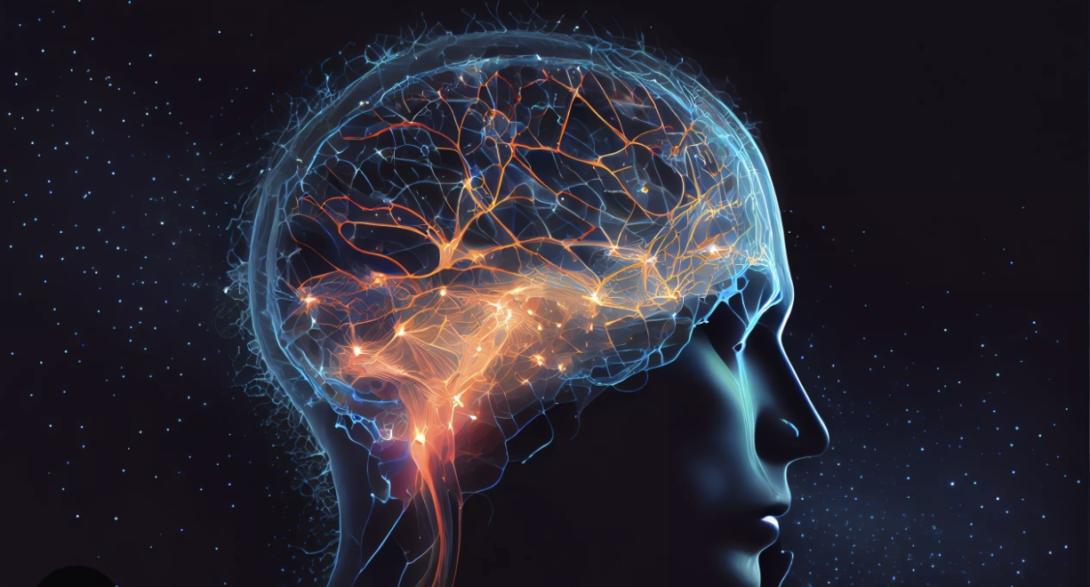
Methamphetamine (“meth”) is a powerful synthetic stimulant that floods the brain with dopamine and serotonin, producing intense euphoria, wakefulness, and rapid surges in heart rate and blood pressure. The drug’s potency and long half-life mean that repeated doses quickly exhaust normal serotonin stores, damage dopamine, and serotonin transporters, and trigger oxidative stress that injures neurons, undermining decision-making and impulse control. This toxic spiral helps explain why meth addiction can develop after only a handful of uses and why chronic use is linked to psychosis, cardiovascular failure, severe dental decay, and cognitive decline.
In 2022 an estimated 2.7 million Americans aged 12 and older reported past-year meth use — roughly 1 in 120 people — while psychostimulant overdoses (primarily meth) accounted for about 34,000 U.S. deaths, nearly one-third of all overdoses. Provisional 2023 data show the meth-related death rate edged up to 10.6 per 100,000 despite a modest overall decline in overdoses. samhsa.govcdc.govcdc.gov
The danger is amplified by today’s adulterated drug supply: nearly two-thirds (65.7%) of psychostimulant overdose deaths now involve a potent opioid, most often illicit fentanyl. The meth-fentanyl combination drives rapid respiratory depression layered onto the stimulant’s cardiac strain, making overdose reversal far more difficult. cdc.gov
Ibogaine: A Neuro-Restorative Option
Ibogaine, a naturally occurring indole alkaloid, has emerged as a promising intervention for stimulant-use disorder. Pre-clinical and human studies show that a single flood dose of ibogaine and its active metabolite noribogaine:
- Resets dysregulated dopamine & serotonin circuitry by temporarily occupying multiple receptor systems (κ- and μ-opioid, NMDA, sigma-2) and normalizing transporter function.
- Up-regulates neurotrophic factors (GDNF & BDNF), triggering a surge of neuroplasticity that supports structural repair and formation of healthier reward pathways. frontiersin.org, pmc.ncbi.nlm.nih.gov
- Interrupts compulsive craving loops and increases insight during the extended “dream-like” phase, allowing patients to process trauma and adopt new behaviors.
In practical terms, ibogaine’s neuro-plastic “reset” often translates into a marked reduction in post-treatment cravings and a lowered risk of relapse during the critical first months of recovery.
At Oceanside Treatment Center, an ocean-front residential facility in Nassau, ibogaine is deployed as the cornerstone of a structured eight-day methamphetamine protocol:
- Four-day medical stabilization
- Clinical-grade ibogaine treatment
- Integration phase
Internal program tracking shows that over 70 % of meth-focused participants remain stimulant-free at six-month follow-up, and many report substantial improvements in mood, sleep, and cognitive function.
“Traditional detox can’t touch meth cravings,” notes Gina Honek, RN, Clinical Director. “By pairing medical stabilization with ibogaine’s unique neuro-restorative properties, we give clients a genuine physiological reset and the psychological space to rebuild their lives.”
About Oceanside Treatment Center
Oceanside Treatment Center specializes in psychedelic-assisted recovery for substance-use disorders, PTSD, depression, and anxiety. Our multidisciplinary team blends evidence-based medicine with holistic therapies to heal mind, body, and spirit in the safe tranquil setting of the Bahamas.
Media & Referral Contact:
Clinical Director: Gina Honek, RN
Phone: +1 800 846 0038
Email: Bahamas oceanside@gmail.com and Intake oceanside@gmail.com
Website: www.oceansideibogaine.com and www.oceansidebahamas.com