

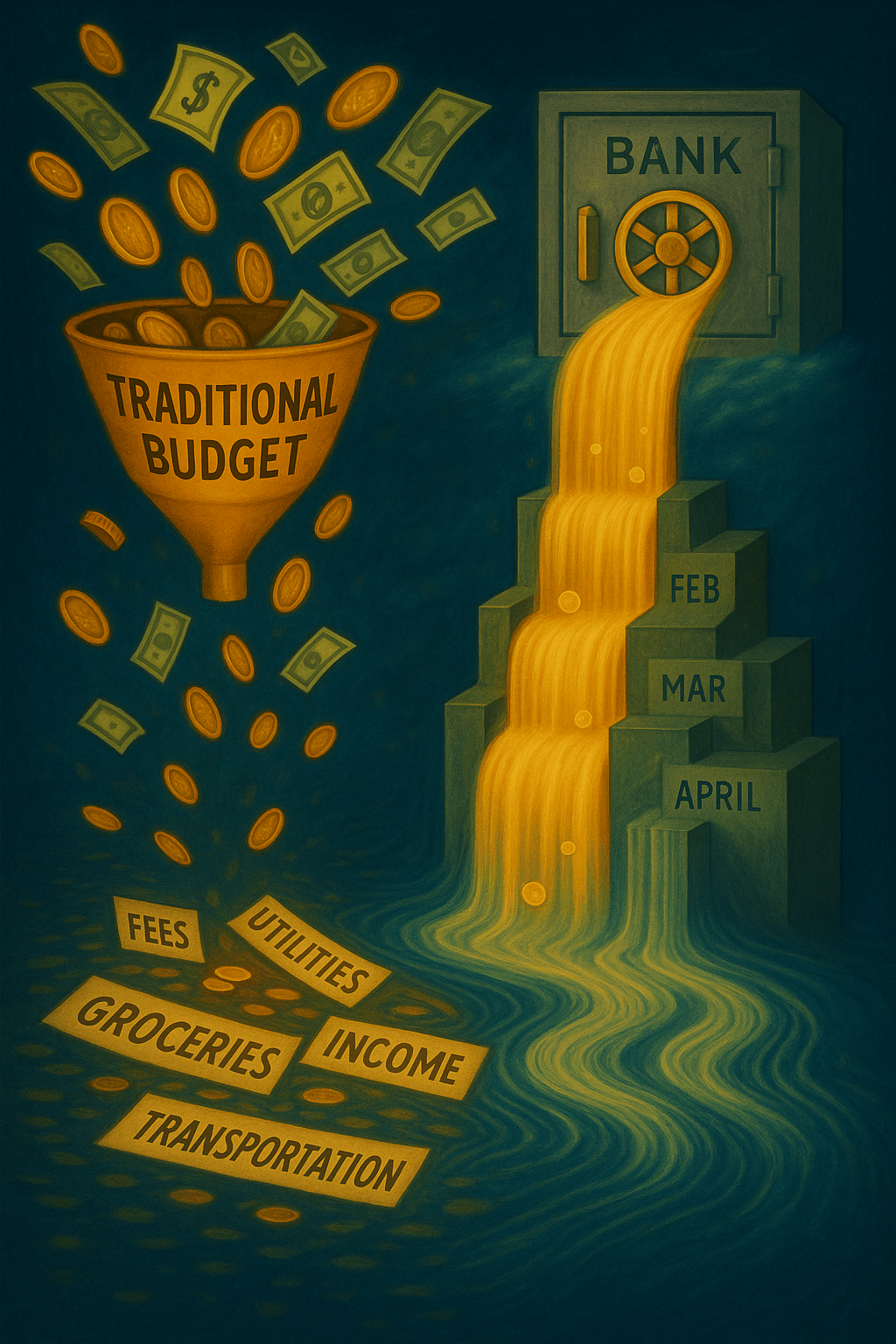
Every pre-revenue founder faces this puzzle: making spending decisions today that need to last until revenue starts, but revenue timelines rarely match projections in your business plan.
The solution: Reverse budgeting
According to EIM's approach for pre-revenue startups, traditional budgets start with income, then subtract expenses. But when there's no income yet, you need to flip the equation.
EIM's Reverse Budgeting Method:
Step 1: Start with what you know - your current cash position. If you've got $75,000 in the bank and need it to last six months, you have $12,500 to spend each month, max. That's your burn limit.
Step 2: Create milestone-based spend mapping - assign each dollar a purpose tied to your roadmap goals. Months 1-2 might focus on product development, months 3-4 on user onboarding, and months 5-6 on fundraising readiness.
Step 3: Build in contingency - hold back 10-20% of your cash for corrections or delays. The startups that survive budget for when Plan A doesn't go as planned.
What Gets Priority vs What Waits:
Budget for:
- Product development that gets you to MVP
- Tools that save time or prevent errors (like cloud accounting solutions)
- Legal and accounting support for raising or incorporating
- Modest founder compensation to survive, not scale
- Freelancers who unlock real speed or traction
Should wait:
- Branding agencies (unless investor-facing identity is urgent)
- Marketing spend not tied to validated funnels
- Full-time hires before product-market fit
- Travel, sponsorships, conferences
- Expensive systems you can't fully use yet
Every line item should answer: How does this bring me closer to revenue, a fundable milestone, or core validation?