

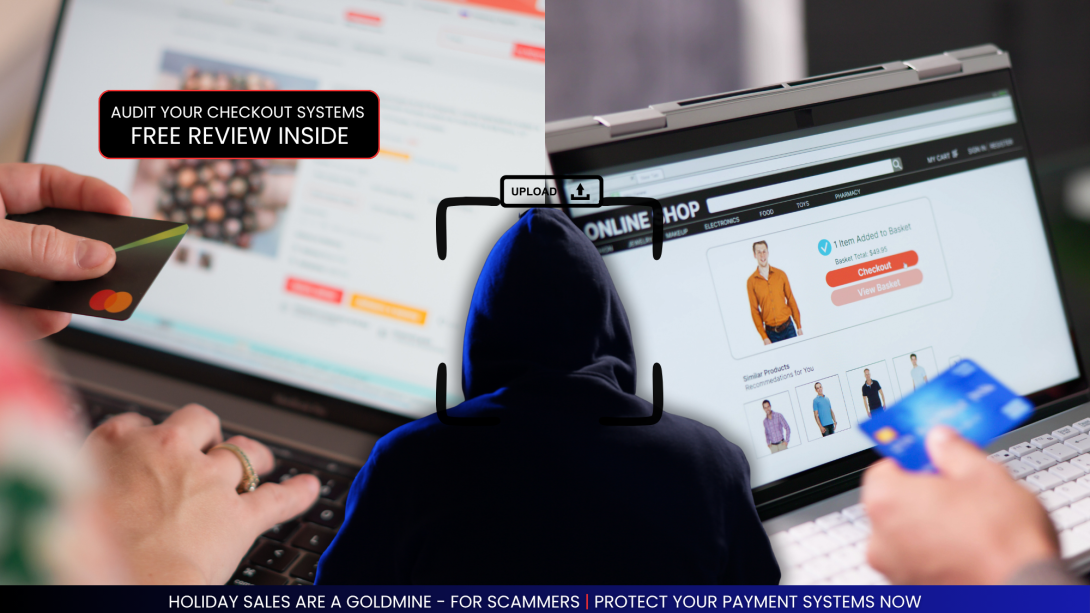
Every year, the festive season brings joy — and a wave of irresistible discounts. But behind the blinking banners and “70% OFF” tags, lurk a growing number of fake shopping sites designed to steal your payment data. According to recent cybersecurity reports, fraudulent e-commerce pages have surged by over 120% during festive campaigns in 2025.
Cybercriminals exploit our excitement by creating cloned websites that appear identical to genuine brands. These spoofed stores mimic everything — from domain names to checkout pages — but the moment you enter your card details, they’re sent straight to attacker servers. In more advanced setups, hackers hijack APIs or inject malicious JavaScript to skim data mid-transaction, making even “successful” payments unsafe.
Common warning signs include:
- Unrealistic discounts or “exclusive” deals shared via WhatsApp or social ads
- Slightly altered domain names (like “amaz0n.com”)
- Check out pages that don’t redirect to trusted payment gateways
- OTP or CVV requests within the same page instead of the bank portal
For business owners, the risks are equally serious. A single data breach can damage a brand's reputation and erode customer trust for years. E-commerce platforms should implement PCI DSS compliance, encrypt APIs, and conduct regular Vulnerability Assessment & Penetration Testing (VAPT) to ensure secure payment flows.
At Infosprint Technologies, we recently conducted a PCI DSS audit for a leading supermarket chain, which strengthened their payment gateway and protected millions of transactions.
For consumers, awareness is key — verify sellers, check URLs carefully, enable two-factor authentication, and avoid shopping on public Wi-Fi.
🛡️ Stay Festive, Stay Vigilant: Don’t let scammers steal your cheer.
👉 Get a Free Security Check and find out if your payment systems are breach-ready before the next big sale rush.
Read the full blog: Festive Sale Scams 2025: How Fake Shopping Sites Steal Your Payment Data