

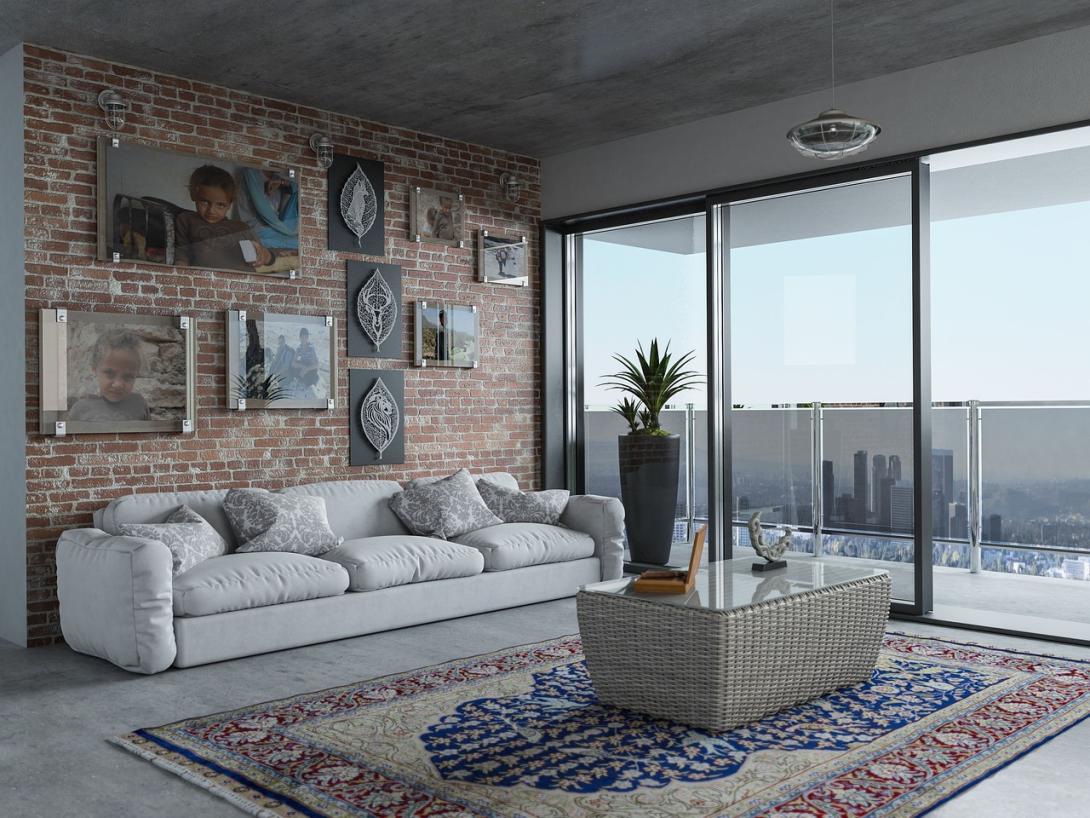
In the fast-paced digital era, our pursuit of wellness has taken an interesting turn—back to the basics. From yoga studios to minimalist home gyms, mats have quietly become symbols of balance, mindfulness, and self-discipline. But what exactly connects these simple accessories to our broader lifestyle choices? The Hidden Link Between Lifestyle and Mats in Modern Wellbeing reveals that mats aren’t just about comfort—they’re about creating intentional spaces that nurture physical, mental, and emotional harmony.
Understanding the Concept of Modern Wellbeing
Modern wellbeing extends beyond fitness and nutrition. It’s about cultivating balance between body, mind, and environment. Today’s wellbeing philosophy encourages conscious choices—from what we eat to where we meditate. The focus has shifted toward holistic wellness, where physical movement, mental clarity, and emotional stability are deeply intertwined.
From Physical Fitness to Holistic Health
In the past, wellness was measured by physical performance—strength, endurance, and flexibility. However, the definition of health has evolved to include mental peace, emotional regulation, and environmental awareness. The modern health enthusiast seeks not just to exercise, but to connect—to themselves and the world around them.
The Rise of Mindful Living
Mindful living emphasizes being fully present in daily activities—whether eating, walking, or meditating. Mats serve as grounding tools, helping individuals transition from chaos to calm. When one rolls out a mat, it signals the mind to enter a zone of awareness and self-care.
The Role of Mats in Health and Lifestyle Practices
Mats have transformed from simple fitness accessories to lifestyle essentials. They now represent self-discipline, focus, and serenity—core elements of modern wellbeing.
Yoga Mats – The Symbol of Mind-Body Connection
The yoga mat has become a cultural icon. Whether you practice vinyasa, hatha, or restorative yoga, the mat defines your sacred space. It isolates you from distractions and helps you focus inward. The material, thickness, and texture affect how comfortably and safely you move, reflecting your personal values and lifestyle preferences.
Meditation Mats and Their Cultural Roots
Meditation mats trace their history to ancient traditions across Asia. These mats provided insulation and grounding, symbolizing a stable base for spiritual awakening. Today, modern meditation cushions and mats continue this legacy—inviting stillness in an overstimulated world.
Exercise Mats in Fitness Culture
Home workouts and fitness studios rely on mats for safety and performance. They protect joints, support posture, and prevent slipping. For many, their mat becomes a symbol of progress and consistency—a reminder of daily effort toward better health.
Materials and Design – The Science Behind Comfort
The link between mats and wellbeing also lies in material science. Modern innovations in texture, density, and eco-design enhance user experience while supporting sustainability.
Eco-Friendly Mats and Sustainable Choices
As environmental awareness grows, eco-friendly mats made from cork, jute, or natural rubber are gaining popularity. These biodegradable options minimize waste and reduce exposure to harmful chemicals, aligning with sustainable lifestyle values.
Ergonomic Innovations for Modern Lifestyles
Today’s mats offer anti-slip coatings, memory foam layers, and even temperature-responsive surfaces. Ergonomics ensure comfort during extended use—important for those practicing yoga, stretching, or meditation daily.
Lifestyle Habits that Complement Mat-Based Practices
Consistency is key to wellbeing. Integrating mat-based routines into daily life fosters long-term benefits.
Morning Rituals for Mental Clarity
A simple 10-minute routine—stretching, deep breathing, or journaling on your mat—can set a positive tone for the day. It signals the body to awaken and the mind to focus.
Evening Grounding Techniques
At night, mats can transform into tools of relaxation. Gentle restorative yoga or mindfulness meditation helps release tension and prepare for restful sleep.
How Mats Influence Mental and Emotional Health
Psychologically, mats create a defined space for focus and calm. They symbolize personal boundaries—a safe haven from external distractions.
The Science of Grounding and Stability
Research suggests that tactile grounding (feeling a stable surface beneath you) can reduce anxiety and promote emotional regulation. Mats serve this function by creating a stable and familiar space for relaxation.
Enhancing Focus through Ritual Space
Rolling out a mat becomes a mindful ritual. It helps build consistency and signals the brain to transition into a state of calm focus—a crucial element in today’s fragmented attention economy.
Choosing the Right Mat for Your Lifestyle
Selecting the right mat can significantly influence your overall wellbeing journey. A mat isn’t just an accessory—it’s a personal companion that supports your health, habits, and mindset.
Fitness Enthusiasts vs. Mindfulness Practitioners
For fitness lovers, durability, grip, and cushioning are top priorities. High-density exercise mats or anti-tear foam options offer joint support and comfort during intense workouts. On the other hand, mindfulness practitioners prefer mats made from natural fibers or cork for grounding energy and enhancing meditative stillness.
If you travel frequently, a lightweight, foldable mat can fit your mobile lifestyle. Meanwhile, those seeking deeper grounding experiences might opt for thicker mats that create a sense of stillness and support.
Maintenance and Hygiene Tips
Your mat is an extension of your body’s wellness space—keeping it clean is vital. Wipe it down with a gentle, natural cleanser after every use. Avoid harsh chemicals, which can damage the surface and release harmful fumes. Air-dry it regularly, and store it rolled up in a clean, dry area.
Regular care not only extends your mat’s lifespan but also enhances your connection to your daily wellness ritual.
The Future of Mats in Modern Wellbeing
The humble mat is evolving with innovation, sustainability, and technology to meet the demands of our dynamic lifestyles. The future promises smarter, more adaptive designs that blend physical performance with mental mindfulness.
Smart Mats and Technology Integration
Imagine mats embedded with sensors that monitor posture, heart rate, and balance. Some emerging models already connect to fitness apps, offering real-time feedback and guided corrections. This merging of technology with mindfulness bridges traditional wellness with the digital age.
The Role of Minimalism and Design Aesthetics
Design psychology plays a crucial role in wellbeing. Minimalist mat designs—neutral colors, clean lines, and natural textures—create serene visual environments. These aesthetic choices enhance calmness, reduce overstimulation, and promote mindful living.
FAQs About The Hidden Link Between Lifestyle and Mats in Modern Wellbeing
1. How do mats contribute to overall wellbeing?
Mats provide physical comfort, mental grounding, and emotional focus. They create defined personal spaces that help individuals transition into mindfulness, exercise, or relaxation.
2. Are eco-friendly mats worth the investment?
Absolutely. Eco-friendly mats made from cork, jute, or organic rubber are sustainable, non-toxic, and durable. They align with environmentally conscious lifestyles while supporting long-term health.
3. What’s the difference between yoga mats and exercise mats?
Yoga or Gym mats are thinner and designed for stability and grip during low-impact postures, while exercise mats are thicker and cushion more intense workouts, offering joint protection.
4. How often should I clean my mat?
Ideally after every use. Regular cleaning prevents bacterial buildup and keeps the surface fresh. Use mild, natural cleaners or DIY mixtures like vinegar and essential oils.
5. Can mats improve mental health?
Yes. Rolling out a mat creates a psychological boundary that promotes focus and calm. It signals the brain to shift into a reflective or meditative state, which can reduce stress and anxiety.
6. How do I choose the right mat material?
It depends on your purpose. For meditation, choose natural materials that feel grounding. For workouts, prioritize anti-slip and cushioned designs. For eco-conscious living, pick biodegradable or recyclable options
Conclusion: Rediscovering Balance Through Simplicity
In the chaos of modern life, the mat has emerged as a silent yet powerful companion in our journey toward holistic wellbeing. The Hidden Link Between Lifestyle and Mats in Modern Wellbeing reminds us that balance doesn’t come from complex systems—it begins with simple, intentional actions.
By integrating mats into daily routines, we create sanctuaries of calm, focus, and health. Whether used for yoga, meditation, or fitness, these humble platforms symbolize our commitment to personal growth and mindful living.
As technology evolves and sustainability becomes paramount, mats will continue to bridge our ancient need for grounding with the modern pursuit of wellness. Ultimately, it’s not just about the mat beneath us—it’s about the lifestyle choices that define who we are on it.
For further insights into eco-conscious wellbeing practices, you can explore the Harvard Health Blog on Mindful Living — a valuable resource for evidence-based lifestyle and mindfulness tips.