
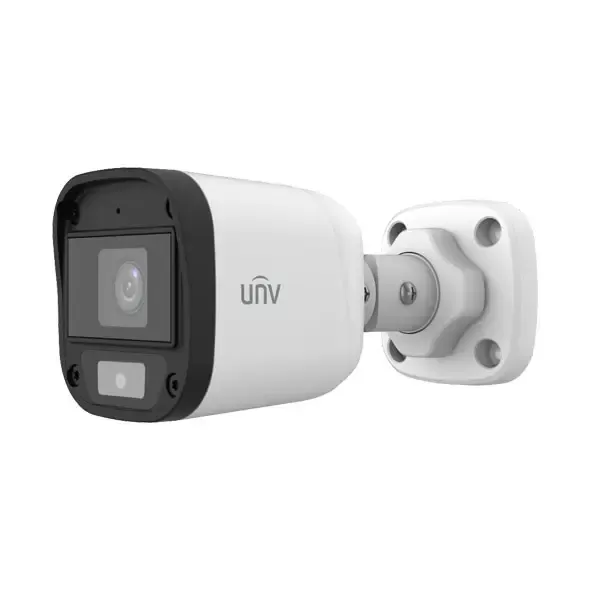
In today’s world, security has become a top priority for homes, offices, and commercial spaces across Pakistan. From bustling cities like Karachi and Lahore to smaller towns, people are investing in surveillance systems to protect their families and assets.
The most common debate among buyers is “IP Camera vs Analog: Which one should I choose?” Both systems have evolved tremendously, offering unique benefits. This article breaks down the differences, helping you make an informed decision for your security needs in 2025.
Understanding the Basics: IP Cameras vs Analog Cameras
What Is an Analog Camera?
An analog camera is the traditional form of CCTV that records video through a coaxial cable and sends it to a Digital Video Recorder (DVR). The DVR converts the footage into a digital format for viewing or storage.
Analog cameras are popular for their low upfront cost, reliability, and simplicity in setup—making them a favorite for small shops and residential buildings in Pakistan.
What Is an IP Camera?
An IP (Internet Protocol) camera transmits video digitally over a network or internet connection. It connects to a Network Video Recorder (NVR) or cloud service, allowing remote viewing from smartphones and laptops.
These cameras offer superior resolution, motion detection, and AI-based analytics—ideal for modern smart security systems.
Resolution and Image Quality
IP cameras provide crystal-clear 4K footage, ideal for identifying faces or license plates, even in low light. Analog cameras, though improved, still lag behind in clarity and digital zoom.
Installation and Wiring
Analog systems require coaxial cables and power cables separately. In contrast, IP cameras can use a single PoE (Power over Ethernet) cable for both power and data, reducing clutter and installation time.
Remote Access and Monitoring
IP cameras allow users to view footage in real time from their mobile devices—perfect for busy professionals or homeowners who travel often. Analog systems, however, usually require local access to the DVR.
Cost and Maintenance
Analog systems are cheaper upfront, with basic setups starting at around PKR 15,000–25,000.
IP systems, while more expensive (starting around PKR 30,000–60,000), offer long-term value through scalability, reliability, and smarter monitoring.
Advantages of IP Camera Systems
- High Resolution: Up to 4K Ultra HD clarity.
- Remote Access: View footage anywhere via mobile or desktop.
- Smart Features: AI-powered motion detection, line crossing alerts, and face recognition.
- Scalable: Add more cameras easily without new wiring.
- Cloud Backup: Prevents data loss even if the recorder is stolen.
Brands like Hikvision, Dahua, and CP Plus offer advanced IP solutions widely available in Pakistan.
Advantages of Analog Camera Systems
Despite the rise of IP systems, analog still has its place:
- Lower Initial Cost: Great for small offices or homes with limited budgets.
- Reliable Signal: No internet dependency.
- Simple Installation: No complex network configuration required.
- Upgrades Available: HD analog (AHD/TVI/CVI) systems now deliver near-HD quality at affordable prices.
Hybrid Security Solutions (Best of Both Worlds)
Hybrid systems allow you to combine analog and IP cameras using XVR (Hybrid DVR) devices. This is ideal for Pakistanis upgrading old setups without replacing all their cameras. You can enjoy IP-level clarity while reusing your existing analog infrastructure—a budget-smart approach.
Security and Data Protection
While IP systems offer remote connectivity, they also require cybersecurity precautions.
- Change default passwords regularly.
- Use secure Wi-Fi connections.
- Opt for brands offering end-to-end encryption and firmware updates.
Analog systems, on the other hand, are offline and hence less prone to hacking, but they’re vulnerable to physical tampering.
Ideal Use Cases in Pakistan
For Homes and Apartments
- Analog: Great for 2–4 camera setups with local DVR recording.
- IP: Perfect for smart homes and villas where remote access and HD clarity matter.
For Businesses and Industries
- IP: Ideal for warehouses, offices, factories, and banks requiring large-scale coverage and smart analytics.
- Hybrid: Suitable for shops upgrading from analog systems.
Cost Comparison in Pakistan (2025)
System Type
Average Setup Cost
Ideal Use
Local Availability
Analog CCTV (4 cameras)
PKR 20,000–35,000
Small homes, shops
Widely available
IP Camera System (4 cameras)
PKR 40,000–70,000
Offices, large homes
Easily available
Hybrid System
PKR 30,000–55,000
Mixed-use, upgrades
Moderate availability
Retailers such as Daraz.pk, TechnoVision.pk, and Galaxy.pk offer genuine Hikvision and Dahua systems across Pakistan with installation options.
Frequently Asked Questions (FAQs)
Q1. What’s the main difference between IP and analog cameras?
A: IP cameras transmit video digitally via the internet, while analog cameras use coaxial cables for signal transmission.
Q2. Can I access my IP camera remotely?
A: Yes! You can watch live footage using your smartphone or laptop through an app or web browser.
Q3. Do analog cameras still work in 2025?
A: Absolutely. HD analog systems are still popular for budget-conscious users.
Q4. Is the IP camera system difficult to install?
A: Not at all—many IP cameras support PoE (Power over Ethernet), simplifying installation.
Q5. What’s better for businesses in Pakistan: IP or analog?
A: IP systems are better due to their scalability, analytics, and remote monitoring features.
Q6. Which brands are most reliable in Pakistan?
A: Hikvision, Dahua, CP Plus, and Uniview are leading choices with excellent local support.
Conclusion
Choosing between IP Camera vs Analog depends on your specific needs, budget, and setup.
If you value high-definition quality, remote access, and smart features, IP cameras are the way to go. But if you want a budget-friendly, stable, and simple system, analog CCTV still delivers reliable security.
For Pakistanis in 2025, hybrid systems provide the best balance—modern features with cost savings. No matter what you choose, a well-installed surveillance system ensures peace of mind, safety, and control.