

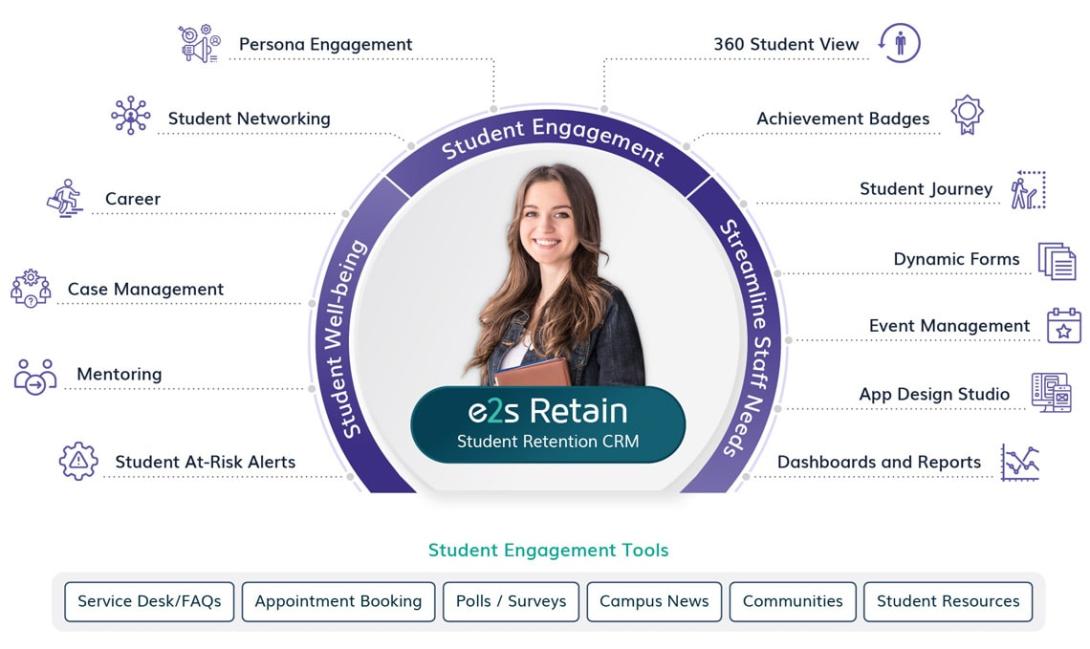
What Is a Student Engagement CRM?
A Student Engagement CRM is a technology platform designed to manage and strengthen interactions between institutions and students. Unlike traditional student information systems that primarily store records, a Student Engagement CRM focuses on enhancing communication, engagement, and support throughout the student lifecycle.
Many institutions integrate their Student Engagement CRM with a student retention CRM and student success CRM to create a comprehensive view of student progress. This enables faculty, advisors, and administrators to deliver more personalized and effective support services.
Why Student Engagement CRM Is Essential for Student Retention
Student retention remains one of the most important performance indicators for higher education institutions. While attracting new students is crucial, helping existing students stay engaged and successfully complete their academic journey is equally important. Many students face challenges related to academics, finances, personal well-being, and campus engagement, which can increase the risk of withdrawal if not addressed promptly.
A Student Engagement CRM helps institutions take a proactive approach to supporting students throughout their educational experience. By centralizing student data, communication history, and engagement activities, institutions gain a comprehensive understanding of each student's needs and progress. This enables advisors, faculty members, and support teams to identify concerns early and provide timely assistance.
How Student Engagement CRMs Improve Student Retention
Student Engagement CRMs help institutions move from reactive support models to proactive student success strategies. By collecting and analyzing student engagement data, these platforms can identify behavioral patterns that may indicate a risk of disengagement or withdrawal.
When combined with a student success CRM, institutions can gain deeper insights into student needs and deliver timely interventions that Improve Student Retention.
Key ways Student Engagement CRMs support retention include:
- Personalized communication based on individual student needs and preferences.
- Early identification of at-risk students through predictive analytics.
- Automated intervention workflows and follow-up activities.
- Improved collaboration between advisors, faculty, and support teams.
- Real-time visibility into student engagement and academic performance.
- Data-driven decision-making that supports student success initiatives.
These capabilities help institutions create a more supportive learning environment where students feel connected, valued, and motivated to achieve their goals.
Key Features of an Effective Student Engagement CRM
Personalized Student Communication
Effective communication is essential for student success. Student Engagement CRMs enable institutions to automate emails, SMS messages, mobile notifications, and other outreach efforts while maintaining a personalized experience.
Early Alert and Intervention Systems
Advanced analytics and predictive modeling help identify students who may be struggling academically or becoming disengaged. Early intervention allows institutions to provide support before challenges become barriers to success.
Student Success Analytics
Comprehensive dashboards provide valuable insights into engagement trends, academic performance, attendance patterns, and retention metrics. These insights help institutions make informed decisions and improve student outcomes.
Workflow Automation
Automation reduces administrative workload by streamlining routine processes such as communication campaigns, appointment scheduling, and follow-up activities.
Integration with Campus Technologies
The most effective solutions integrate seamlessly with learning management systems, student retention software, student retention CRM platforms, student success CRM tools, and other institutional systems to create a unified student support ecosystem.
Benefits of Implementing a Student Engagement CRM
Institutions that leverage Student Engagement CRMs can experience significant benefits, including:
- Increased student engagement and participation.
- Improved retention and graduation rates.
- Enhanced student satisfaction and overall experience.
- Better collaboration across academic and student support departments.
- Reduced administrative burden through automation.
- Greater visibility into student success indicators.
- More effective use of data to Improve Student Retention.
By combining Student Engagement CRM capabilities with student lifecycle CRM strategies, institutions can provide consistent support throughout every stage of the student journey.
Best Practices for Successful CRM Implementation
To maximize the impact of a Student Engagement CRM, institutions should follow a structured implementation strategy:
Define Clear Retention Objectives
Establish measurable goals related to student engagement, persistence, retention, and academic success.
Train Faculty and Staff
Ensure advisors, faculty members, and administrators understand how to leverage CRM data and engagement insights effectively.
Develop Proactive Support Strategies
Create intervention workflows that trigger timely support actions when students show signs of disengagement or academic difficulty.
Monitor Student Success Metrics
Regularly review engagement data, retention rates, and student outcomes to evaluate performance and identify improvement opportunities.
Continuously Optimize Engagement Efforts
Use analytics, feedback, and performance data to refine communication strategies and student support initiatives.
The Role of Student Lifecycle CRM in Student Success
A student lifecycle CRM extends engagement efforts beyond a single stage of the student journey. From recruitment and enrollment to retention, graduation, and alumni engagement, these solutions help institutions maintain meaningful relationships with students at every touchpoint.
When integrated with Student Engagement CRMs, student retention CRM platforms, and student success CRM solutions, a student lifecycle CRM enables institutions to deliver personalized experiences that support long-term student success and institutional growth.
Conclusion
As higher education institutions face increasing pressure to improve student outcomes, Student Engagement CRMs have become essential tools for fostering engagement, strengthening support services, and enhancing academic success. These platforms empower institutions to identify at-risk students, personalize communication, and deliver proactive interventions that Improve Student Retention.
When combined with student retention software, student retention CRM, student success CRM, and student lifecycle CRM solutions, Student Engagement CRMs create a comprehensive framework for supporting students throughout their academic journey. By leveraging these technologies effectively, institutions can build stronger student relationships, improve retention rates, and promote lasting educational success.