

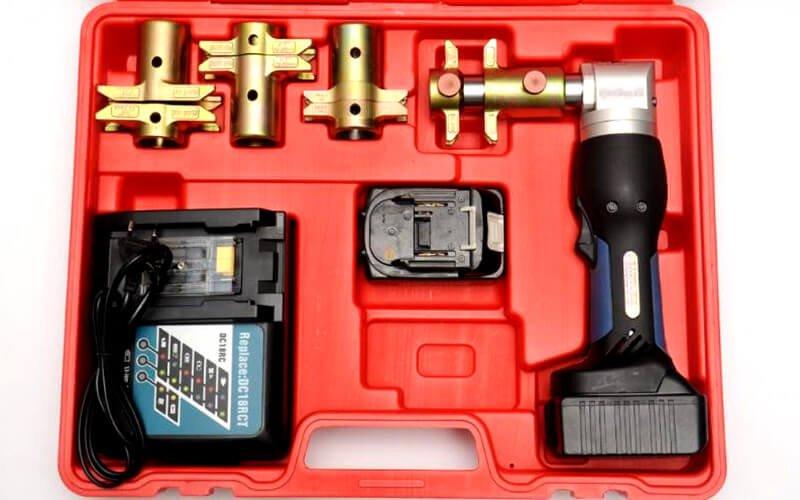
In modern manufacturing and metalworking industries, the Press Tool plays a crucial role in shaping, cutting, and forming materials with precision. From automotive parts to electronic components, press tools help manufacturers produce high-quality products quickly and efficiently.
Because of their accuracy and productivity, press tools are widely used in industries that require mass production. Understanding how a press tool works, its types, and its advantages can help businesses improve manufacturing processes and product quality.
What Is a Press Tool?
A Press Tool is a mechanical device used in combination with a press machine to cut, shape, bend, or form sheet metal and other materials. The tool works by applying force through a press machine that pushes the material into a die to create the desired shape.
Press tools are essential in manufacturing because they allow companies to produce large quantities of identical parts with consistent quality and minimal waste.
How a Press Tool Works
A press tool typically works with two main parts:
1. Punch
The punch applies pressure to the material and forces it into the die.
2. Die
The die is the cavity that determines the final shape of the component.
When the press machine operates, the punch moves downward and presses the material into the die. This process cuts or shapes the material according to the design of the tool.
This system ensures fast production and high accuracy in manufacturing.
Types of Press Tools
There are several types of Press Tool systems used in manufacturing. Each type is designed for specific operations.
1. Blanking Tool
A blanking press tool cuts flat pieces from sheet metal. These pieces are used as the base for further processing.
2. Piercing Tool
A piercing tool creates holes in metal sheets. It is commonly used in electrical and automotive industries.
3. Bending Tool
This tool bends sheet metal into angles or curves to form different components.
4. Progressive Press Tool
A progressive press tool performs multiple operations in one cycle. The material moves through several stations where cutting, bending, and shaping occur.
5. Compound Press Tool
This tool performs more than one cutting operation at the same time, increasing production speed.
Benefits of Using a Press Tool
Manufacturers rely on press tools because they provide many advantages in production.
High Precision
Press tools produce parts with extremely accurate dimensions.
Fast Production
Large quantities of components can be produced in a short time.
Consistency
Each part created with a press tool has the same shape and size, ensuring uniform quality.
Cost Efficiency
Once the press tool is designed, the cost per part becomes very low during mass production.
Reduced Material Waste
Press tools are designed to optimize material usage, reducing unnecessary waste.
Industries That Use Press Tools
The Press Tool is widely used across many industries due to its versatility.
Automotive Industry
Car manufacturers use press tools to create body panels, brackets, and structural components.
Electronics Industry
Small metal parts for electronic devices are often produced using press tools.
Appliance Manufacturing
Many household appliances contain metal components made using press tools.
Aerospace Industry
Precision parts used in aircraft manufacturing are also created using advanced press tool systems.
Importance of Press Tool Design
A well-designed press tool is essential for achieving high-quality production. Tool designers consider several factors when creating a press tool:
- Material thickness
- Required shape
- Production volume
- Machine capacity
- Durability of the tool
Proper design ensures the press tool operates smoothly and lasts longer without frequent maintenance.
Maintenance of Press Tools
Like any industrial equipment, press tools require regular maintenance to maintain performance.
Common maintenance practices include:
- Cleaning the tool after use
- Inspecting punches and dies for wear
- Lubricating moving parts
- Replacing damaged components
Good maintenance helps extend the life of the press tool and prevents production delays.
The Future of Press Tools in Manufacturing
Modern manufacturing is evolving with advanced technologies such as automation and computer-aided design. These technologies allow engineers to design highly efficient press tools that produce complex components with greater precision.
Smart manufacturing systems are also integrating press tools with automated machines, improving productivity and reducing human error.
As industries continue to grow, the demand for high-quality press tools will remain strong.
Conclusion
The Press Tool is an essential component in modern manufacturing, enabling industries to produce accurate and consistent metal parts at high speed. With various types of press tools available for different operations, manufacturers can achieve efficiency, cost savings, and improved product quality.
From automotive production to electronics manufacturing, press tools continue to play a vital role in shaping the products used in everyday life.
BLOG FOR MORE UPDATE : CLICK HERE