

Recognizing your users' origins can greatly enhance your service in today's data-driven digital environment. Businesses and developers can use a geolocation IP API to determine a user's location based on their IP address, providing insightful data for analytics, security, and personalization. Utilizing location intelligence can improve user experience and operational efficiency whether you manage a content website, SaaS platform, or eCommerce store. The main advantages of IP-based geolocation are examined in this article, along with useful examples and advice to help you get the most out of it.
Enhanced Personalization for Users
One of the most compelling advantages of IP-based geolocation is the ability to deliver personalized content. By detecting a user’s country, city, or region, websites can automatically adjust language, currency, and even product offerings. This creates a smoother and more relevant experience for visitors. For instance, an online retailer can display prices in local currency or promote region-specific deals. As a result, users feel more connected to the platform, which often leads to higher engagement and conversion rates.
Improved Security and Fraud Prevention
Security is another critical area where geolocation plays a major role. Businesses can use an ip address API to monitor login attempts and transactions based on geographic patterns. If a user suddenly logs in from a location far from their usual activity, the system can flag it as suspicious. This helps prevent unauthorized access and fraudulent transactions. Additionally, financial institutions often rely on geolocation data to verify customer identity and reduce risks associated with cybercrime.
Better Targeted Marketing Campaigns
Marketing becomes far more effective when it is tailored to specific audiences. With location data, companies can create highly targeted campaigns that resonate with users in particular regions. For example, a travel company can promote holiday packages based on the user’s location and seasonal trends. Similarly, local businesses can target nearby customers with relevant advertisements. This not only improves return on investment but also ensures that marketing messages reach the right audience at the right time.
Efficient Content Localization
Localization goes beyond simple translation. It involves adapting content to fit cultural, regional, and linguistic preferences. Using an api for geolocation, websites can automatically serve localized content without requiring manual input from users. This includes adjusting date formats, time zones, and even cultural references. Such seamless localization enhances user satisfaction and builds trust, especially among international audiences.
Smarter Business Analytics and Insights
Understanding where your users come from provides valuable insights into customer behavior. Businesses can analyze geographic data to identify high-performing regions, track user growth, and make informed decisions. For example, if a company notices increased traffic from a specific country, it may decide to expand operations այնտեղ. These insights also help in optimizing marketing strategies and improving overall business performance.
Seamless Compliance with Regional Regulations
Different regions have different laws regarding data privacy and content access. Geolocation technology helps businesses comply with these regulations by restricting or modifying content based on location. For instance, certain services may not be available in specific countries due to legal restrictions. By using geolocation, companies can ensure compliance while avoiding potential legal issues.
Real-Time Geofencing Capabilities
Geofencing is a powerful feature that enables businesses to create virtual boundaries around specific locations. With a geofencing api, companies can trigger actions when users enter or leave a defined area. This is particularly useful for mobile apps, retail stores, and event-based marketing. For example, a retail store can send promotional notifications to users যখন they are بالقرب the store. This real-time interaction enhances customer engagement and drives foot traffic.
Simplified IP Validation and Data Accuracy
Accurate data is essential for making reliable decisions. Tools that validate IP addresses ensure that the information collected is correct and up-to-date. A Validate IP address API helps filter out invalid or suspicious IPs, improving data quality. This is especially important for analytics, security, and customer profiling. By ensuring accuracy, businesses can rely on their data to guide strategies and operations effectively.
Scalability and Easy Integration
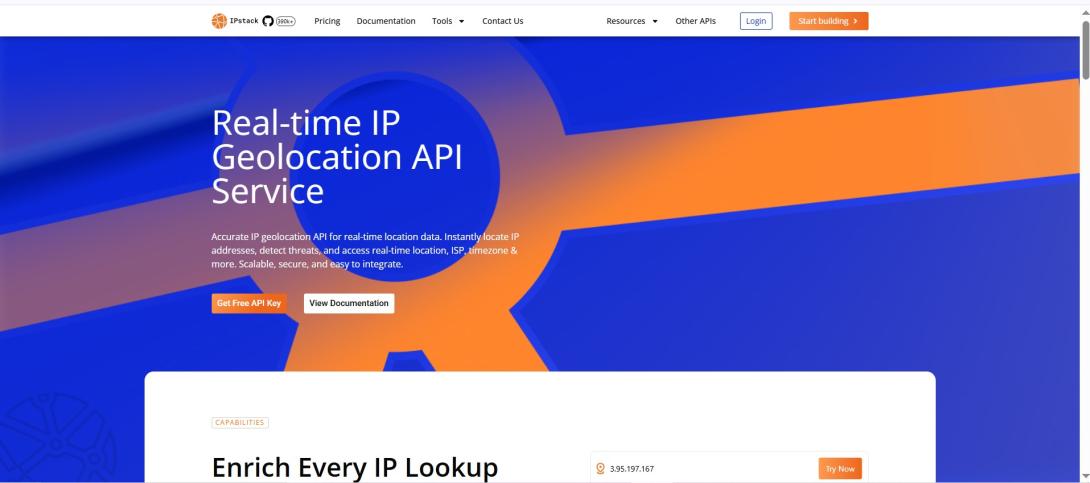
Modern APIs are designed to be flexible and easy to integrate into existing systems. Whether you are building a new application or enhancing an existing one, integrating geolocation features is straightforward. Many platforms, including services like ipstack, provide developer-friendly documentation and scalable solutions. This allows businesses of all sizes to leverage geolocation without significant technical challenges.
Cost-Effective Solution for Growth
Implementing geolocation technology does not require massive investment. Many APIs offer affordable pricing models, making them accessible to startups and small businesses. Despite the low cost, the benefits in terms of personalization, security, and analytics can be substantial. This makes geolocation a cost-effective tool for driving growth and improving user experience.
Conclusion
Incorporating geolocation into your digital strategy offers a wide range of benefits, from enhanced personalization and improved security to better marketing and analytics. By using tools like an ip address API, businesses can gain deeper insights into user behavior and deliver more relevant experiences. Features such as geofencing and IP validation further enhance functionality and reliability. Ultimately, adopting a robust geolocation api service empowers organizations to stay competitive in an increasingly global and data-driven market.
FAQs
What is a geolocation IP API?
A geolocation IP API is a tool that determines a user’s geographic location based on their IP address, providing details such as country, city, and region.
How accurate is IP-based geolocation?
IP-based geolocation is generally accurate at the country level and fairly reliable at the city level, though accuracy may vary depending on the data source.
Can geolocation APIs improve website conversions?
Yes, by enabling personalization and targeted content, geolocation APIs can significantly improve user engagement and conversion rates.
Is it difficult to integrate a geolocation API?
No, most APIs are designed for easy integration with clear documentation, making them accessible حتی for developers with moderate experience.
Why is IP validation important?
IP validation ensures that the data collected is accurate and reliable, which is essential for analytics, security, and decision-making.